

What Percentage of Couples Survive Couples Therapy?
Every couple who walks through a therapist’s door wonders, “Will we actually make it?” It’s a fair question, and an honest one. After all, couples don’t typically begin therapy because things are easy. They begin because something’s not working and they’re hoping it can.
At Grazel Garcia Psychotherapy & Associates, we often hear from partners who fear that starting therapy might mean the end of the road. Yet more often than not, it’s the start of a turning point. National studies show that over 90% percent of clients report meaningful improvement after completing therapy. Many couples even say they feel closer and healthier than they have in years.
But what does ‘survival’ really mean in the context of couples therapy? Is it staying together at all costs , or learning to relate to one another in healthier, more loving ways, regardless of outcome?
In this article, we’ll explore what truly determines success in couples therapy in Los Angeles, why some couples thrive while others part with compassion, and how every experience of therapy can lead to growth.
Watch the full interview here!
The Commitment Factor
When people imagine therapy, they often picture breakthroughs: the moment when someone finally “gets it.” But what often matters more than any revelation is something far simpler: showing up with an open heart.
Commitment doesn’t only mean attending sessions. It means choosing, again and again, to participate in the process, even when it feels uncomfortable or unfamiliar. According to Grazel Garcia, that commitment is the foundation for everything that follows.
“Commitment is a big factor because that’s going to lay the ground and the foundation of our work together.”
In Emotionally Focused Therapy (EFT), the approach used in most sessions at GGPA, couples move through three stages: de-escalating conflict, restructuring how they relate to one another, and consolidating their progress. None of this happens overnight. It requires consistency, emotional presence, and patience.
Research supports what therapists see daily: couples who enter therapy with mutual commitment are far more likely to reach resolution. Studies from the American Psychological Association show that when both partners express clear commitment at the start, their chance of completing therapy successfully rises by over 90 percent compared to those who aren’t fully engaged.
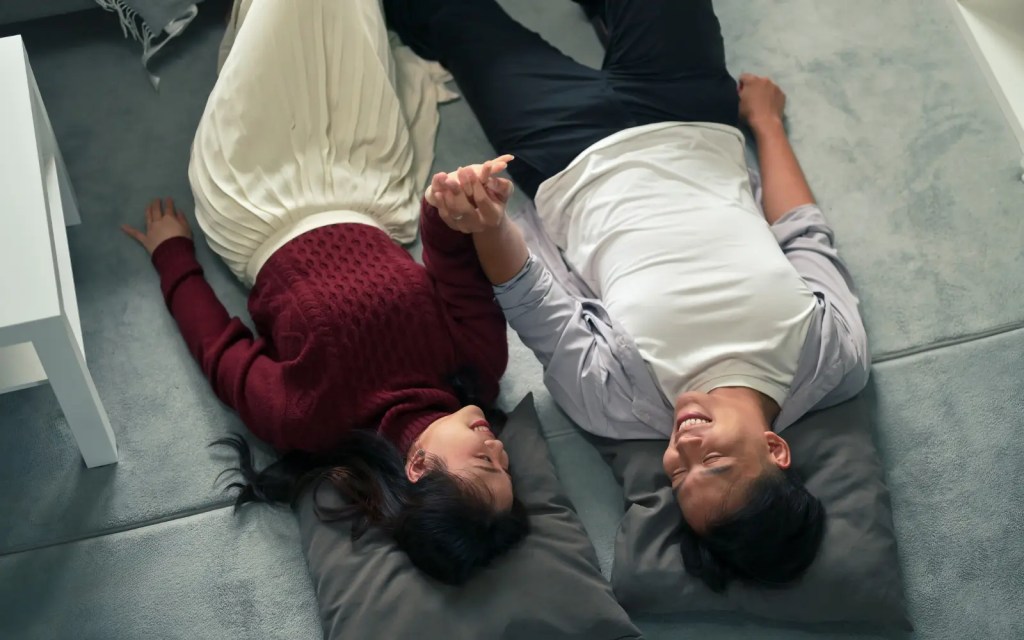
Of course, commitment can look different for everyone. For some, it’s carving out time to attend every session. For others, it’s the courage to admit fear, frustration, or loneliness, and stay in the conversation anyway. It’s about willingness, not perfection.
As Grazel explains, couples therapy isn’t meant to be easy; it’s meant to be real. Partners who show up ready to take responsibility for their part in the relationship tend to see results. They begin to understand the emotional needs beneath each conflict and how to meet them with empathy instead of defense.
When both partners commit to growth, therapy becomes less about “fixing” and more about rediscovering what connection feels like.
If you and your partner are ready to explore change together, couples therapy in Los Angeles at GGPA can be a safe place to begin that process.
When One Partner Isn’t Sure
It’s more common than you might think: one partner is eager to start therapy, while the other sits in the waiting room wondering why they’re even there. Resistance, in its many forms, can feel discouraging, but it’s not a dead end. In fact, according to Grazel, hesitation can be part of the work itself.
“It’s normal for one partner to be unsure. It’s not something to pathologize.”
That uncertainty often hides something deeper: fear of vulnerability, discomfort with emotional language, or simply not knowing what therapy will demand.
Cultural factors, financial concerns, or time constraints can also make one partner less willing to engage. Yet these hesitations don’t necessarily signal a lack of love or care. Sometimes, avoiding therapy is a defense: a way of self-protection when intimacy feels unsafe. When that’s the case, the therapist’s role isn’t to “convince” the reluctant partner, but to explore what’s underneath their reluctance.

In Emotionally Focused Therapy, this resistance is treated as part of the couple’s negative cycle rather than a personal flaw. Instead of asking “Why won’t you participate?” the therapist might ask, “What happens inside you when closeness feels uncomfortable?” By approaching resistance with curiosity instead of frustration, therapy turns avoidance into opportunity.
Research supports this compassionate approach. One study published in Family Process found that 44 percent of couples begin therapy with one ambivalent partner, but after several structured EFT sessions, ambivalence dropped by nearly 60 percent. The process itself, not persuasion, often melts the resistance.
When one partner starts opening up, the other tends to follow. Emotional safety is contagious. And that’s where true transformation can begin: not in perfect readiness, but in the willingness to try. If one of you is hesitant, that’s okay. Couples therapy in Los Angeles can help both partners feel heard and supported, even if only one person feels ready to take the first step.
Sometimes, showing up together, unsure and all, is enough to begin the healing.
Measuring Progress (What “Working” Actually Looks Like)
Every couple reaches that moment where you’ve been showing up, having the hard conversations, and learning new ways to listen, but you end up wondering, “Is any of this actually working?”
It’s a very common question.
“It comes up every session, whether they say it or not. Couples are always wondering, is this really helping?”
The truth is, progress in therapy doesn’t always look like a dramatic, breakthrough moment. It often arrives quietly: a pause instead of a sharp retort, a softer tone during an argument, or the first time someone feels safe enough to cry without fear of rejection. In Emotionally Focused Therapy, these moments are the milestones that matter most.
At the start, many couples arrive with what therapists call insecure attachment: a pattern where vulnerability feels unsafe and emotional distance seems easier than conflict. Over time, EFT helps partners develop secure attachment, a space where both people feel accessible, responsive, and engaged with one another.
“You’ll know therapy is working when you’re not fighting as much, but you’re also connecting more than disconnecting.”
Studies consistently show that couples who practice these behaviors outside of sessions experience major changes inside them. In a review published in the Journal of Couple & Relationship Therapy, EFT achieved a 70–75 percent success rate in helping distressed couples repair emotional bonds. Another study found that only 10–15 percent drop out early when sessions follow a structured EFT framework.

That progress is felt before it’s seen. A couple may not notice they’re communicating better until they look back months later and realize how much calmer their home feels. Therapy teaches partners to pay attention to these emotional shifts, those small signs that connection is returning.
At GGPA, these changes are tracked gently but intentionally. Each week, couples are invited to reflect on what felt different since their last session. Did a conversation feel less defensive? Did they reach for one another after an argument instead of withdrawing? Those subtle shifts are where the real work, and the encouragement of progress, resides.
If you’ve been wondering whether change is happening, look for the small moments. They often carry the biggest meaning. And if you’d like some help seeing them more clearly, couples therapy in Los Angeles with GGPA can help you notice the quiet progress that’s already unfolding.
Redefining Success
It can feel unsettling to imagine that couples therapy might lead to separation. But what if separation doesn’t mean failure? What if, instead, it’s a reflection of growth: two people learning enough about themselves to choose honesty over habit?
“Sometimes couples come in committed to working on their relationship and they do the work, they complete therapy, and later they realize they’ve simply grown in different directions. That doesn’t mean couples therapy didn’t work. It means they grew.”
Couples therapy isn’t designed to force people to stay together; it’s designed to help partners relate with authenticity and emotional clarity. When those qualities lead to reconnection, that’s beautiful. But when they lead to peaceful separation, that’s also a form of healing.
Studies have found that around 25 percent of couples separate after therapy, yet two-thirds describe the experience as positive and healing. Those who separate after therapy report less hostility, greater emotional understanding, and significantly better co-parenting relationships compared to couples who end things without professional support.
The goal isn’t always to hold on. Sometimes it’s to grow up emotionally within the relationship, wherever that growth leads. Some partners leave therapy with stronger attachment bonds. Others leave with insight, closure, and a renewed sense of self. Either way, the therapy has done its work.
At GGPA, we believe that when partners can look at each other and say, “I understand you better than before,” that’s a kind of survival, too. It’s the survival of empathy, of mutual respect, of the part of love that remains even when romance fades. If you’re unsure where your path leads, couples therapy in Los Angeles can help you find clarity.
Whether you rebuild connection or part with peace, the process itself can give you the understanding needed to move forward with grace.
Why Some Couples Don’t Make It
Not every couple leaves therapy hand in hand. Some drift apart during the process, others arrive already halfway out the door. That doesn’t mean therapy has failed, but it does reveal just how important timing, commitment, and honesty are.
“The couples who didn’t find therapy working were already out of their relationship before they came in. Their commitment wasn’t fully there.”
Therapy can do a lot, but it can’t rebuild a relationship that one or both people have already emotionally left. For couples where trust has been replaced by indifference, even the most skilled therapist may find that sessions become about closure rather than repair.
Studies show that couples who begin therapy while already considering separation have a 35 percent higher dropout rate (Snyder & Castellani, 2019). Yet, in the same studies, over 80 percent of these couples still reported personal growth, improved emotional awareness, and greater self-understanding after therapy.
There are also practical reasons therapy doesn’t take root. Inconsistent attendance, missed sessions, or using therapy as a battleground rather than a bridge can slow progress. Without accountability and follow-through, even the best tools remain unused.
That’s why Grazel places so much emphasis on accountability and consistency. Therapy only works when both partners are willing to stay curious about their role in the relationship, not just their partner’s. It’s the courage to ask, “What part of this pattern is mine?” that often separates couples who transform from those who stall.

Even when therapy ends in separation, it can still plant the seeds for a different kind of relationship: one built on mutual respect and a shared commitment to healthier communication. If you feel like it might be too late, there’s still value in trying. Couples therapy in Los Angeles can help you find the clarity to either rebuild or release with understanding.
Sometimes the most important outcome isn’t staying together, it’s walking away without bitterness.
The Therapist’s Role
Behind every successful therapy experience is a steady guide; someone who helps couples see what they can’t always see themselves. The therapist’s role isn’t to take sides or assign blame, but to create safety, structure, and consistency so that growth has room to happen.
“A therapist needs to check every week to see how they’re progressing — that’s how we lead couples to success.”
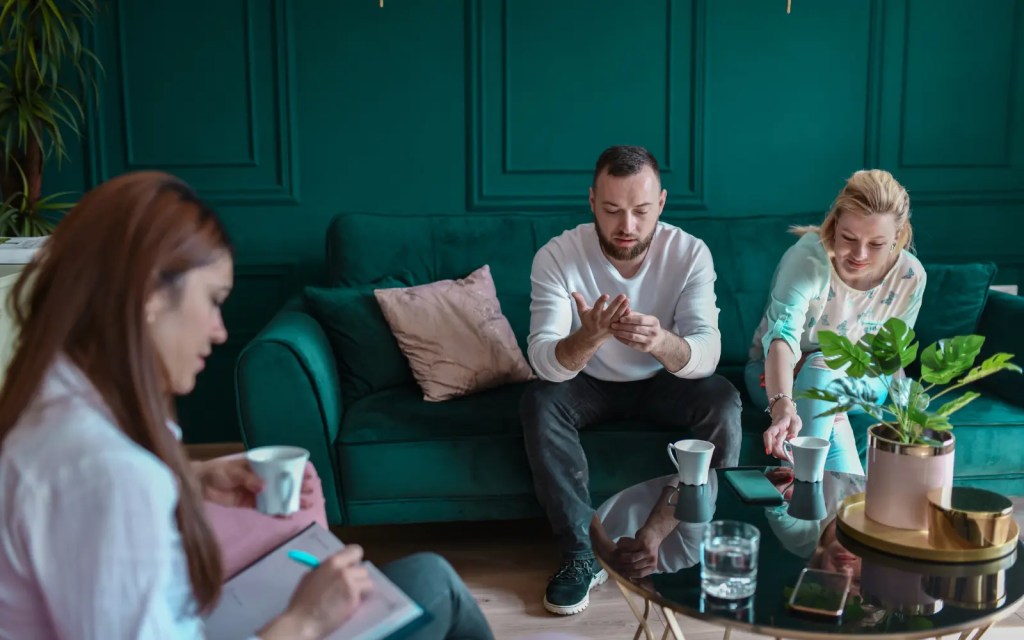
At GGPA, therapists use each session to explore what’s changed since the last one. Did you try something new during an argument? Did you notice when old patterns reappeared? By tracking these small shifts together, the process becomes more intentional — and more effective.
Research shows that the strength of the therapeutic alliance predicts up to 45 percent of treatment success. In other words, feeling understood by your therapist can be just as important as the method they use.
Therapy isn’t a one-time fix; it’s a week-by-week unfolding. Some sessions bring insight, others stir frustration, but both are part of the journey toward deeper understanding. If you’re looking for a therapist who’ll stay attuned to your growth and guide you every step of the way, couples therapy in Los Angeles at GGPA offers that steady partnership.
With the right guidance, every session becomes a step toward connection.
Final thoughts
So, what’s the answer? Do most couples actually make it through therapy?
According to the data, and the clinical experience of therapists like Grazel Garcia, the answer is yes. Most couples who commit to the process survive therapy, and even come out of it stronger, more self-aware, and more emotionally connected than before.
Studies consistently show couples report improvement after therapy, and the vast majority say they gain a deeper understanding of themselves and their partner. Those studies mirror what Grazel sees in her practice every week: partners who begin distant and defensive slowly rediscover how to reach for one another again.
“Most couples survive couples therapy: the majority do.”
Still, survival doesn’t always look like reconciliation. For some, it’s about finding new strength within the relationship; for others, it’s about parting peacefully after doing the emotional work needed to heal. Either way, therapy often transforms what felt broken into something whole, whether together or apart.
At its best, couples therapy in Los Angeles isn’t about choosing between staying or leaving. It’s about learning how to love with kindness and courage.
If you’re ready to start that journey, reach out to schedule a session with GGPA. You don’t have to have all the answers before you begin. You just have to take the first step.
Grazel Garcia Psychotherapy & Associates is one of the leading individual and couples therapy practices in the wider Los Angeles area. Specializing in treating root causes through the lens of EFT, GGPA clients can expect a warm, culturally-attuned approach to therapy. Call 323-487-9003 and schedule your free consultation today!