Should You Work on Yourself Before Couples Therapy?
You’re standing at a crossroads. One sign points to couples therapy, where you’ll work through relationship issues with your partner together with a professional. The other sign leads to individual therapy, where you’ll address your own emotional issues, patterns, and personal challenges.
So which way do you go?
It’s common for couples who know their relationship needs help to be unsure what kind of help is best. Maybe you’re thinking, We just need to communicate better – couples therapy will help with that! Or it might be you’re wondering if your own baggage is getting in the way, so you’re considering individual therapy first. And sometimes, one partner is dragging their feet while the other is desperate for change, which only complicates the decision.
At Grazel Garcia Psychotherapy & Associates (GGPA), we’re often asked: Should we work on the relationship together, or should we work on ourselves first? And the answer isn’t always straightforward. Some relationship struggles stem from deep individual wounds that need personal attention, while others are best tackled as a couple.
Watch the full interview here!
In this article, we’ll break down:
- How to tell if couples therapy is the right choice for you;
- When individual therapy might be a better starting point;
- How trauma, attachment styles, and neurodivergence impact relationships; and,
- Why not all therapists are qualified to do couples therapy – and how to find one who is
By the end, you’ll have a much clearer sense of what your next step should be. Let’s begin.
Couples Therapy vs. Individual Therapy
When your relationship feels strained, it’s natural to assume couples therapy is the next step. After all, the issues involve both of you, so wouldn’t it make sense to tackle them together?
Not always.
The key question to ask yourself is: Are the problems in the relationship primarily about the dynamic between you, or are they fueled by individual struggles?

Couples therapy is a good fit when:
- The relationship itself feels disconnected or strained, even though both partners are emotionally available.
- You and your partner keep falling into recurring patterns of conflict, even when the issues seem minor.
- There is a breakdown in communication, trust, or intimacy that both of you want to work on together.
Individual therapy might be better when:
- One or both partners are dealing with deep trauma that impacts the relationship.
- There is unresolved attachment wounding from childhood that makes connection difficult.
- One partner struggles with emotional regulation, making healthy conflict resolution nearly impossible.
- A mental health condition (e.g., depression, anxiety, PTSD) is creating barriers to a secure relationship.
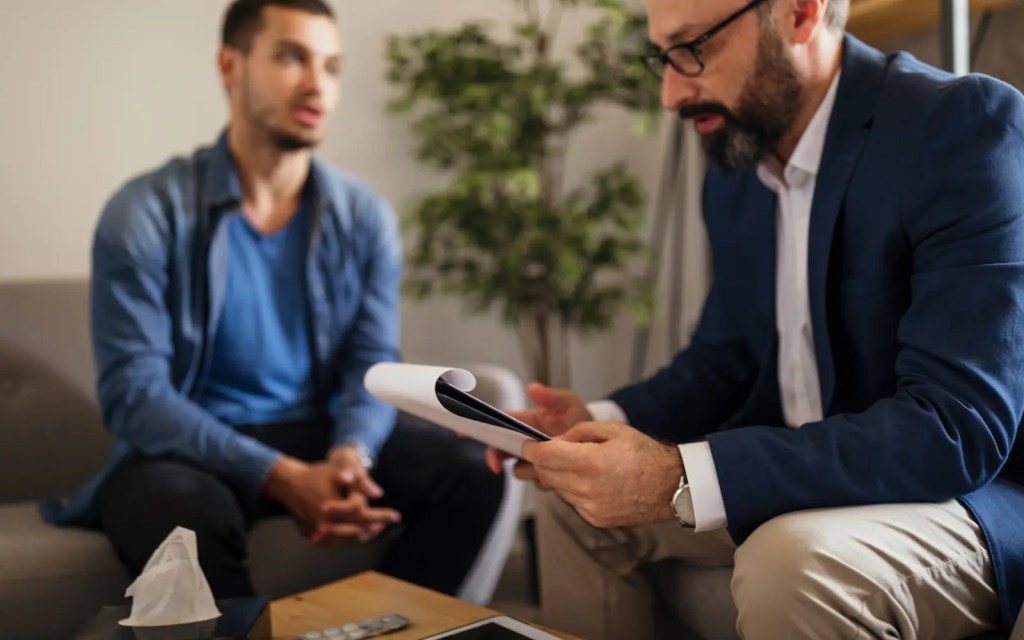
“Once you go to couples therapy, we’re working on the relationship… I can do a little bit of work on each of you individually, but if you need deep personal healing, individual therapy is the place for that.“
How Trauma Affects Relationships
Unprocessed trauma has a way of showing up in relationships, even when you don’t realize it. When someone carries trauma they haven’t worked through, it can shape the way they communicate, connect, and even perceive their partner’s actions.
A partner who grew up in a chaotic, unpredictable home might interpret minor disagreements as threats to their safety, responding with anger or withdrawal. Someone who experienced emotional neglect might struggle to express their needs, assuming they’ll just be ignored. It’s important to remember that these reactions aren’t conscious choices – they’re survival mechanisms that have outlived their usefulness.
“When there’s deep trauma blocking connection, it makes it harder to work on the relationship in couples therapy. That’s when individual work is really important.“
Research backs this up. A study published in Clinical Psychology Review found that trauma survivors are more likely to experience distress in relationships, particularly in moments of conflict (Riggs et al., 2011). If one or both partners have trauma histories that cause emotional reactivity, individual therapy can be essential before beginning couples work, otherwise the couples work will be ineffective, or worse, damaging.

Common Ways Trauma Shows Up in Relationships:
- Hypervigilance: Always waiting for something to go wrong, even in a stable relationship.
- Emotional withdrawal: Struggling to open up or trust, even when your partner is supportive.
- Intense emotional reactions: Small disagreements trigger overwhelming fear or anger.
- Fear of abandonment: Assuming your partner will leave, even if they’re committed to you.
If any of these sound familiar, working with a trauma-informed therapist is an important first step to help you build emotional safety before stepping into couples therapy. For couples therapy to be effective, both partners need to be able to engage in the process, and if trauma is preventing one of you from engaging individual therapy can help clear the path for real connection.
Schedule a call with one of GGPA’s trauma-informed therapists today – just click the button!
The Role of Attachment Styles in Couples Therapy
Your attachment style – how you learned to connect with caregivers as a child – plays a huge role in how you navigate relationships. There are four main attachment styles:
- Secure attachment: You feel safe in relationships, able to express needs and trust your partner.
- Anxious attachment: You fear abandonment and seek constant reassurance.
- Avoidant attachment: You keep emotional distance and struggle with vulnerability.
- Disorganized attachment: You crave connection but fear intimacy, leading to push-pull dynamics.
Attachment-based therapies like Emotionally Focused Therapy (EFT) help couples understand how these patterns play out in their relationship. But if attachment wounds are deep, individual therapy can be an important first step.
“If our attachment in ourselves is insecure, most of the attachments we form with others will be insecure. EFT looks at what makes your attachment insecure and helps you heal those wounds.“
Research from the ICEEFT (International Centre for Excellence in Emotionally Focused Therapy) shows that 70-75% of couples move from distress to recovery through EFT, and over 90% experience significant improvements in relationship satisfaction (Johnson, 2019).
If you’re looking for help, either individually or as a couple, click the button to schedule your initial consultation.
Neurodivergence and Relationships
Neurodivergence such as ADHD or autism can impact communication, emotional regulation, and intimacy in relationships. Many neurodiverse couples struggle with mismatched processing styles, leading to misunderstandings.
Communication differences, sensory sensitivities, and executive function challenges can all play a role in misunderstandings. A neurodivergent partner may forget an important date – not because they don’t care, but because working memory can be an issue. They might struggle with emotional regulation, not because they don’t want to be present, but because their nervous system processes stress differently.
How Neurodivergence Can Impact Relationships:
- Sensory overload: A neurodivergent partner might need quiet time after social events, which can be misinterpreted as withdrawal.
- Different communication styles: Directness vs. indirectness can cause friction in misunderstandings.
- Emotional regulation challenges: Reacting too strongly or shutting down completely in moments of stress.
- Executive function struggles: Forgetting commitments or struggling with daily household tasks.
“I encourage my neurodiverse couples to find an ADHD specialist or someone who understands neurodivergence. Couples therapy can help, but individual therapy with a specialist can target specific traits that affect intimacy.“
A study in Journal of American College Health found that couples where one or both partners are neurodivergent are more likely to experience relationship dissatisfaction due to differences in communication styles (Morrison et al., 2021). Seeking therapy from someone experienced in neurodivergence can make a huge difference.
Neurodivergent couples don’t need more communication tools or tactics; they need strategies tailored to their brains. Working with the right therapist can help them build a relationship that works for them – not just a neurotypical model of what a relationship “should” look like. And for their non-neurodivergent partner, this can open the door to a much more fulfilling and rewarding relationship.
Not All Couples Therapists Are Trained Or Qualified (Surprisingly)
Most people assume that if someone has “therapist” in their job title, they’re qualified to do couples therapy. Unfortunately, that’s not always the case. Many general therapists offer couples counseling without advanced training in relationship therapy, and the difference can be huge for those seeking guidance through couples counseling.
“Learning Emotionally Focused Therapy feels like another doctoral degree. It takes at least five years [of training] to really know how to implement EFT well.“
Couples therapy requires a very different skill set than individual therapy. While an individual therapist helps one person navigate their emotions and behaviors, a couples therapist has to track and manage two people’s emotional landscapes at the same time – while also guiding the relationship itself. If a therapist tries to apply tools and techniques that are successful in individual therapy to a couples setting, they can often do damage to the relationship.

Add into the mix the more specialized training a qualified couples therapist undergoes (e.g. DV training), it’s clear that an individual therapist simply isn’t equipped to address the core issues driving a couple’s relationship dynamic when the relationship breaks down.
Red Flags to Watch Out for When Choosing a Couples Therapist:
- They don’t specialize in a couples therapy model. Therapists trained in EFT, the Gottman Method, or PACT have a structured approach to helping couples. General talk therapy often isn’t enough.
- They lack experience handling high-conflict dynamics. If a therapist can’t de-escalate tension in the room, sessions can become unproductive – or even damaging.
- They treat couples therapy like two individual therapy sessions. If a therapist spends most of the session letting each partner vent separately, rather than working on the relationship itself, it’s a sign they may not be well-trained in couples work.
Choosing the right therapist matters. At GGPA, our therapists have advanced training in couples therapy, ensuring you get guidance that actually helps you and your partner move forward.
So how do you make sure your therapist is going to help you? Before booking a session, ask your therapist:
- Are you trained in a couples therapy model like EFT or the Gottman Method?
- Do you have experience working with trauma and attachment issues?
- How do you handle cases where abuse or coercion is present?
When Couples Therapy Might Not Be the Right Choice
Couples therapy can be a truly transformative experience, where you become closer to your partner than ever before – but only when it’s the right time for it. In some cases, jumping into therapy together can actually make things worse.
For example, if one partner is deeply resistant to therapy or unwilling to take accountability, sessions can turn into an exhausting cycle of blame rather than growth. If one person is only attending therapy to “prove” the other wrong, progress will be nearly impossible.
A far more serious concern is when there is any form of abuse present in the relationship. Many people assume couples therapy will help “fix” emotional or physical abuse, but it often does more harm than good. If there is a power imbalance where one partner is controlling, coercing, or harming the other, joint therapy can reinforce that imbalance rather than repair it.
“Couples therapists without training can create so much harm, especially if they don’t have domestic violence training. They might not know how to assess for safety in the room when there’s abuse happening.“
According to the National Domestic Violence Hotline, abusive partners can use therapy as a tool for manipulation – twisting the therapist’s words to justify their behavior or gaslighting their partner into believing they are the problem. This is why many domestic violence experts recommend individual therapy for the survivor first, before considering any form of joint therapy.
Here are the top signs that couples therapy might not be the right choice right now:
- One partner is afraid to speak honestly in sessions.
- There is any form of physical, emotional, financial, or psychological abuse.
- The relationship is deeply imbalanced, with one person controlling or coercing the other.
- One partner refuses to engage in therapy in good faith.
If you’re unsure whether couples therapy is safe for you, a consultation with a therapist at GGPA can help you assess your options.
The Role of Emotional Regulation in Successful Therapy
Emotional regulation is the foundation of a healthy relationship, but it’s also one of the hardest skills to master. If one or both partners struggle with emotional regulation, even the best couples therapy in the world won’t help until this core issue is addressed.
Simply put, emotional regulation is your ability to manage your feelings in real-time. It’s what keeps small disagreements from spiraling into screaming matches or icy silence. Without emotional regulation, one partner may lash out in anger, while the other shuts down completely, leaving both feeling unheard and disconnected.
“If someone struggles with emotional regulation, it makes healthy conflict resolution nearly impossible. That’s why I sometimes encourage individual therapy first to help a person develop emotional awareness and self-soothing skills.“
A study in Emotion (2019) found that couples with better emotional regulation have significantly higher relationship satisfaction. This is because they can pause, reflect, and communicate clearly – rather than reacting impulsively in the heat of the moment.
Here’s how to improve emotional regulation before or during therapy:
- Practice mindful pausing – Before reacting, take a breath and ask yourself: Is my response about the present moment, or is it coming from a past wound?
- Identify triggers – Keep track of situations that make you feel overwhelmed, and work on understanding why.
- Develop self-soothing techniques – Techniques like orienting, deep breathing, or grounding exercises can help reduce reactivity.
- Consider individual therapy – A therapist can help you understand your emotional responses and develop better coping strategies.
“At GGPA, we help couples strengthen emotional regulation so they can show up as their best selves in their relationships. If emotional reactivity has been a roadblock in your relationship, we can help. ”
The Impact of Unresolved Grief on Relationships
Grief can be about the loss of anything meaningful, including past relationships, childhood safety, or even personal identity. And when grief remains unprocessed, it has a way of seeping into relationships in unexpected ways.
A partner who is still grieving a past breakup may struggle with fully trusting their current partner. Someone mourning a difficult childhood may become hyper-independent, fearing that closeness will only lead to more loss.
“People don’t always realize how grief shapes their relationships. If you haven’t processed your losses, you might unintentionally bring those wounds into your current relationship.“
This is backed by research: A study in Journal of Family Psychology (2018) found that unresolved grief can lead to emotional withdrawal in relationships, making it harder for couples to stay connected.
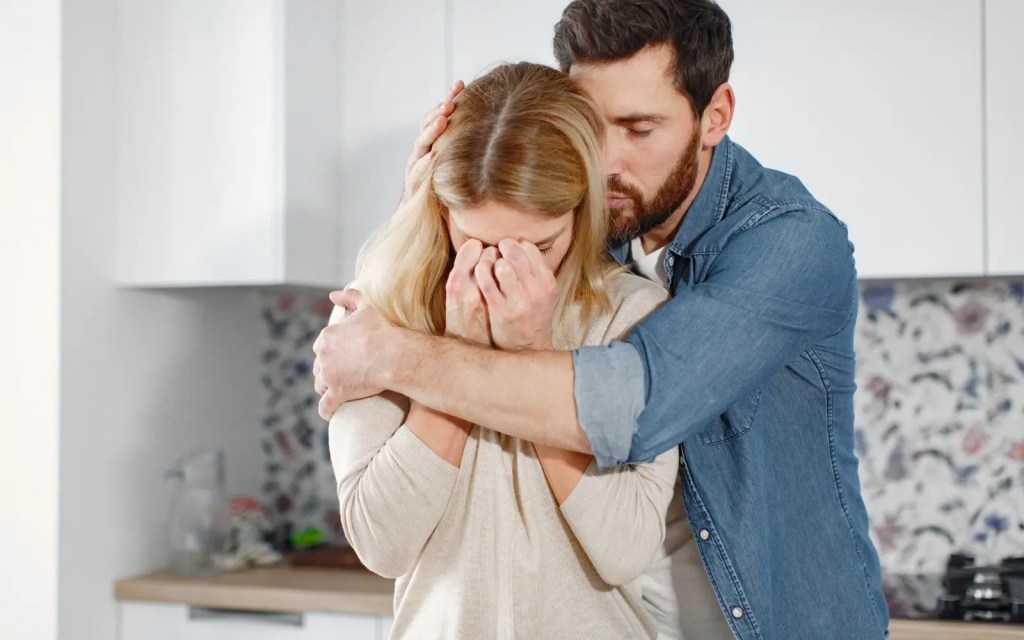
Unresolved grief can impact relationships through:
- Emotional distance or detachment from a partner.
- Difficulty expressing vulnerability or asking for support.
- Feeling “stuck” in old patterns that don’t serve the relationship.
- Overreactions to minor conflicts, rooted in deeper pain.
If grief is creating tension in your relationship, individual therapy can be a powerful first step. At GGPA, we provide a safe, supportive space for healing so that grief doesn’t become a roadblock to love and connection.
When One Partner Wants Therapy but the Other Doesn’t
What happens when you are ready for couples therapy, but your partner refuses to go?
It’s one of the most frustrating situations for people seeking therapy. Maybe your partner doesn’t believe in therapy. Maybe they’re afraid of being blamed. Or maybe they don’t think the relationship is “bad enough” to warrant professional help.
So, what can you do?
Have an open (non-judgmental) conversation
Rather than demanding they go to therapy, try to understand their hesitation. Are they afraid of being judged? Do they think therapy is only for couples on the brink of divorce? Addressing these fears can help ease their resistance.
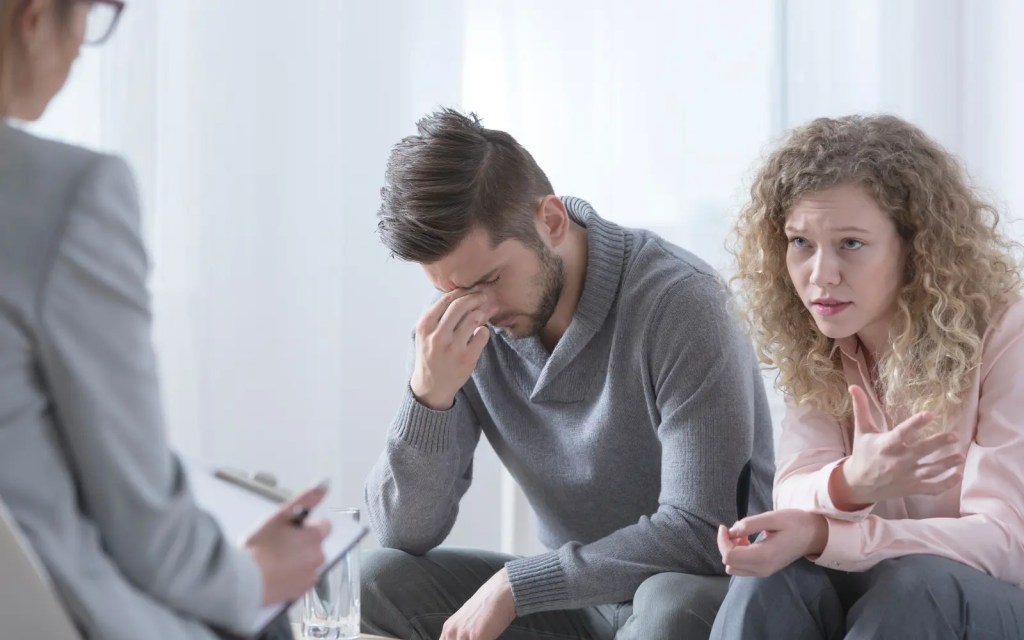

Focus on the benefits, not just the problems
Instead of saying, “We need therapy because we’re always fighting,” try: “I want to strengthen our connection and work through things in a healthy way.” Therapy isn’t only about fixing issues – it’s also there to improve what’s already working. Presenting that idea to your partner in the right way may convince them to give therapy a try.
Suggest starting with individual therapy
If your partner isn’t open to couples therapy, they might be more willing to try individual therapy first. Sometimes, working through personal resistance with a therapist can make someone more open to couples work down the line.


Lead by example
If your partner refuses therapy, you can still go yourself. Many people find that working on their side of the relationship dynamic has a positive ripple effect, even if their partner isn’t in therapy.
How External Stressors Can Undermine Couples Therapy
Many couples come to therapy thinking their problems are all about communication or emotional connection. But sometimes, the real issue isn’t the relationship or anything to do with the couple – it’s external stress that’s putting pressure on both partners.
Chronic stress from work, financial strain, or even parenting can wear down even the healthiest relationships. If you’re constantly exhausted, overwhelmed, or distracted, it’s hard to be emotionally available to your partner.
How Stress Affects Relationships:
- Short tempers: Stress can make minor frustrations feel unbearable.
- Less intimacy: Emotional exhaustion can lead to disconnection.
- Blaming your partner: When external pressures mount, couples sometimes take their frustration out on each other.
Multiple studies over the past few decades have consistently found that financial stress is one of the top predictors of relationship dissatisfaction. Similarly, research from the American Psychological Association shows that work stress spills over into personal relationships, making conflicts more frequent and intense.
How to Manage Stress Before or During Therapy:
- Identify external stressors: Is it work? Money? A lack of time together? Naming the stress helps you address it.
- Build stress-management strategies together: Try scheduled downtime, exercise, or mindfulness techniques.
- Communicate openly about stress: Instead of snapping at each other, acknowledge when stress is making things harder. That’s easier to say than do sometimes, but it’s important to keep communicating.

Couples therapy can be incredibly helpful, but if external stress isn’t being addressed, progress may be slow. At GGPA, we help couples recognize these outside pressures and work on strategies to stay connected – even when life gets overwhelming.
So, Should You Work on Yourself Before Couples Therapy?
There’s no universal answer to this question, but if deep trauma, emotional unavailability, or unresolved attachment wounds are present, individual therapy is often the best place to start. If both partners are ready to work on their relationship together, couples therapy can be deeply transformative.
Top 7 Takeaways
- Couples Therapy and Individual Therapy Serve Different Purposes
Couples therapy focuses on the relationship itself, while individual therapy is best for addressing personal struggles like trauma, emotional regulation, or mental health conditions that affect the relationship. - Unprocessed Trauma Can Block Progress in Couples Therapy
Trauma survivors may struggle with trust, emotional reactivity, and communication. If past wounds are shaping relationship dynamics, individual therapy may be necessary before couples therapy can be effective. - Attachment Styles Shape Relationship Challenges
Understanding whether you have a secure, anxious, avoidant, or disorganized attachment style can help explain relationship patterns. Therapies like Emotionally Focused Therapy (EFT) are designed to repair insecure attachment dynamics. - Neurodivergence Adds Complexity to Relationships
Conditions like ADHD and autism can affect communication, emotional regulation, and intimacy. Couples therapy can help, but working with a neurodivergence-informed therapist can provide more tailored support. - Not All Therapists Are Qualified to Provide Couples Therapy
Many therapists offer couples counseling without formal training in relationship therapy. Choosing a therapist trained in EFT, the Gottman Method, or another structured approach ensures more effective support. - External Stressors Can Undermine Relationship Progress
Work stress, financial strain, and other outside pressures can create unnecessary tension. Managing these stressors effectively is essential for couples therapy to work. - Couples Therapy Is Not Always the Right Choice
If one partner is unwilling to engage, or if abuse or coercion is present, joint therapy may do more harm than good. In these cases, individual therapy – or a safety-focused approach – should come first.
If you’re ready to begin therapy, schedule a consultation with Grazel Garcia Psychotherapy & Associates today. Your relationship – and your well-being – deserve the right support.
Grazel Garcia Psychotherapy & Associates is one of the leading individual and couples therapy practices in the wider Los Angeles area. Specializing in treating root causes through the lens of EFT, GGPA clients can expect a warm, culturally-attuned approach to therapy. Call 323-487-9003 and schedule your free consultation today!