

How does ADHD affect intimacy?
Intimacy is one of those things we all assume should come naturally. You fall in love, you feel close, and the rest is supposed to unfold from there. But if you’ve been in an ADHD relationship for more than five minutes, you already know it’s not that simple. The emotional closeness you want is real, the love is real, the commitment is real… and yet something keeps getting in the way.
For many couples, that “something” is ADHD. Not the stereotype. Not the internet memes. The actual neurological differences that shape how attention, emotions, and sensory experiences work. If you’ve ever tried to share something vulnerable while your partner’s eyes drift toward the dog barking down the street, or if you’ve ever reached out for closeness only to have them flinch at the fabric of your jumper, you’re not imagining it, and you’re not alone.
“Unmanaged ADHD traits can definitely affect relationship satisfaction.”
The key word here is ‘unmanaged’. ADHD doesn’t ruin intimacy, and it doesn’t make someone incapable of connection. But it does influence the way closeness is formed, maintained, and repaired. And when those differences go unnamed or misunderstood, partners often end up feeling distant from each other for reasons neither of them intended.
This matters more than most people realize. Around 4.4 percent of adults in the U.S. live with ADHD, which means countless couples are trying to navigate intimacy with two very different internal experiences. And without support, misunderstandings can quickly harden into patterns that feel personal, even though the root issue is neurological, not emotional.
Watch the full interview here!
So if you’ve been wondering why intimacy feels harder than it “should,” or why you keep hitting the same walls even when you love each other deeply, you’re in the right place. Let’s unpack what’s really going on, and more importantly, what you can do about it.
When ADHD Traits Disrupt Emotional Connection
When you live with ADHD in a healthy relationship, you start to see how quickly small moments can snowball. A missed cue here, a distracted response there, and suddenly you’re both wondering how a simple conversation turned into a feeling of distance. It’s rarely intentional. But the impact is real, especially when these moments stack up without understanding or repair. This is why so many ADHD relationships end up feeling emotionally out of sync, even when the love underneath is strong.
“The inattentiveness traits can cause a lot of communication issues… fueling the negative cycle over and over again.”
The first thing to understand is that inattentiveness in ADHD isn’t a choice or a character flaw. It’s a neurological difference in how attention is regulated. Research supports this. In one survey, 67 percent of couples reported communication breakdown as a major source of distress, and this number climbs even higher when one partner has ADHD because the signs of emotional presence look different.
A partner might be listening closely while fidgeting, glancing away, or missing half a sentence, not because they don’t care, but because their brain is juggling incoming information like a jigsaw puzzle someone keeps shaking. Without context, their partner often fills in the blanks with fear: “You’re not listening. You don’t care. You’re not here with me…” The personalization is understandable, but it also deepens the disconnect.
There’s also the issue of emotional regulation. Adults with ADHD are statistically more likely to experience relational instability and higher conflict. When emotional reactions intensify quickly, conversations can veer off course before either partner understands what went wrong. This can leave the ADHD partner feeling misunderstood and the non-ADHD partner feeling unseen; a combination that makes intimacy harder to access.
What hurts most is that neither partner usually intends any of this. Most couples genuinely want to connect. They just keep missing each other in the fog of miscommunication, assumptions, and reactive patterns. Over time, this can quietly erode the emotional closeness they used to reach for easily.
If any of this feels familiar, you’re not doing anything “wrong.” These patterns are workable. And with the right kind of support, you can rebuild emotional connection in a way that finally makes sense for both of you.
The “100 Tabs Open” Brain and How It Feels in Intimate Moments
If you’ve ever tried to share something vulnerable while your partner suddenly turns their head toward a noise outside, or starts fiddling with a pen, or stares at the ceiling halfway through your sentence, it’s easy to assume they’re drifting away from you. In many ADHD relationships, this moment becomes the spark for hurt, confusion, or shutdown, even though what’s happening inside the ADHD partner’s brain looks nothing like disinterest.
“An ADHD brain has like a hundred browsers open… Every single one of them is important to the brain.”
This analogy isn’t dramatizing for effect: It’s actually neurobiology. Executive functioning research shows that people with ADHD experience differences in the parts of the brain responsible for prioritizing, filtering, and sustaining attention. Imagine trying to listen deeply to your partner while your brain urgently insists that the distant dog bark, the change in lighting, and the grocery list you forgot about are all equally important. It’s not a lack of care, it’s just too many competing signals.
Studies also show that ADHD is linked to altered attentional networks in the brain. So when your partner looks away, fidgets, or changes position, it might actually be their way of staying with you rather than drifting off. For many ADHD partners, stillness is overwhelming; movement is grounding.
The challenge is that none of this is visible from the outside. You see the gaze shift and think, “You’re not with me”. But on the inside, your partner might be working incredibly hard to stay emotionally present. This mismatch – what it looks like versus what it means – is often where intimacy gets tangled.
When these differences go unspoken, both partners can feel wounded: The person sharing something vulnerable feels dismissed, the ADHD partner feels misunderstood. And the moment that could have been connective turns into another layer of emotional distance neither of you wanted.

If you recognize yourselves in this dynamic, therapy can offer a space to slow things down and translate these moments. You don’t have to keep guessing what your partner’s behavior means. You can learn how to read each other more clearly and with less hurt.
Sensory Needs and Physical Intimacy
Physical intimacy is usually talked about as if it’s purely emotional or purely physical, but for many neurodivergent partners, it’s also deeply sensory. Touch, lighting, fabric, temperature, sound… all of these can shape how safe or overwhelmed someone feels in their body. And in ADHD relationships, those sensory differences can show up right in the middle of moments that are supposed to feel close.
“Sometimes… being touched while they’re being intimate sexually can be, you know, too much in the beginning.”
For some people with ADHD, touch doesn’t ease them into connection… it can startle the nervous system before they’ve had time to settle. A soft caress might feel soothing one moment and overstimulating the next. The texture of a partner’s jumper, the temperature of their hands, or even the sound of the room can change how safe their body feels. It’s not rejection. It’s regulation.
Research shows that 46–70 percent of people with ADHD experience significant sensory processing differences. That means sensory overload isn’t a quirk, it’s a core part of how their nervous system responds to the world.
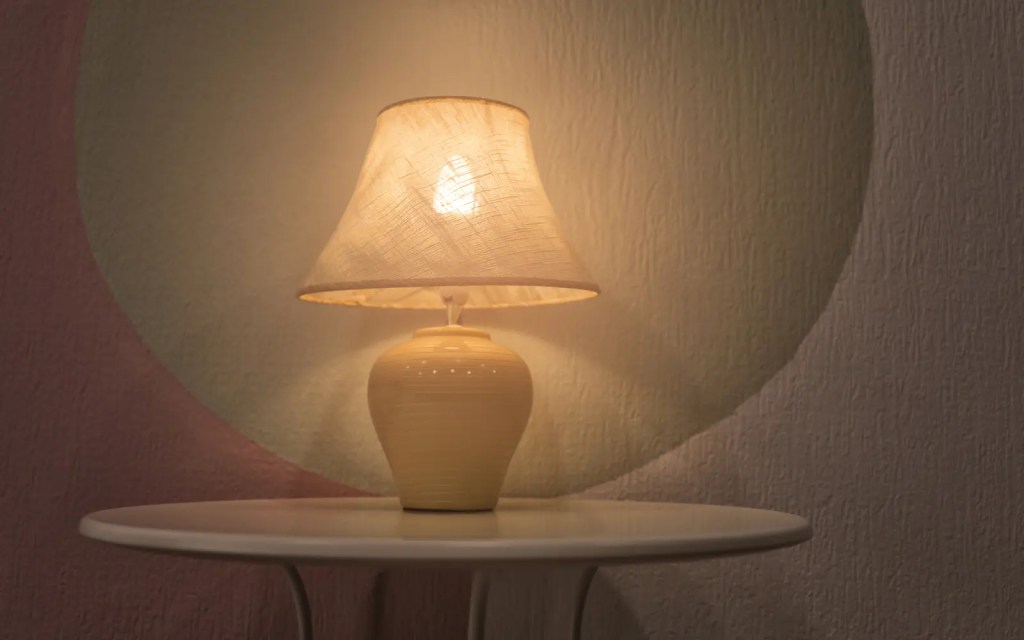
Lighting is another overlooked piece. What feels “romantic” to one partner might feel dysregulating to another. Some ADHD partners need dim light to soften the sensory load. Others need more light because darkness heightens uncertainty. Even color can matter: a warm, amber lamp might ease someone’s nervous system while a bright white bulb sends it into overdrive.
Sensory misunderstandings don’t just affect comfort; they affect closeness. A study on sensory sensitivities found that when partners misunderstand these reactions, relationship stress increases significantly. It makes sense – if your partner flinches when your wool jumper brushes their arm, it’s very easy to assume you’ve done something wrong. But often, the fabric is the problem, not the affection.
Most couples don’t talk about any of this. People worry it will make intimacy feel too clinical or too “in their head.” But ignoring sensory needs doesn’t make them disappear; it just makes the misunderstandings pile up quietly until both partners feel rejected for reasons neither intended.
If touch or closeness often gets misread between you, exploring your sensory needs together, especially with support, can open the door to a more comfortable, connected kind of physical intimacy.
When Misunderstandings Create a Negative Cycle
All couples fall into patterns: the well-worn loops you can almost predict before they start. But in ADHD relationships, those patterns can harden quickly when partners don’t understand what’s actually happening underneath the surface. What begins as a small misread moment can snowball into a painful cycle of reactivity, shutdown, and distance.
“Sometimes they give up on asking for needs too… intimacy just ends up vanishing.”
This is the point where couples often feel the most stuck. The partner without ADHD may feel repeatedly rejected, dismissed, or unimportant, even though their partner’s behavior was never meant to send that message. And the ADHD partner may feel like no matter how hard they try, they can’t seem to “get it right”, which leads to shame, defensiveness, or complete withdrawal.
Emotionally disconnected couples tend to spiral faster. Research from the Gottman Institute shows that patterns like defensiveness and shutdown significantly increase the likelihood of separation. When these reactions appear frequently, even small disagreements can feel threatening.
It’s not the ADHD traits themselves that push couples apart, but the painful meaning partners attach to them. Reaching for a partner and not feeling met hurts, especially when it happens again and again without explanation.

Left unaddressed, the cycle can become rigid. Couples stop asking for closeness because they assume the answer will be no. Arguments become shorter and colder. Affection becomes tense, predictable, or disappears altogether. This is often the point where partners start wondering if the relationship is even fixable even though, in many cases, the issue isn’t lack of love but lack of support.
The saddest part is that many couples in this place could absolutely rebuild intimacy if they had the right tools, space, and guidance. It’s not the end of the story, even if it feels that way from the inside.
If your relationship feels stuck in this kind of loop, you don’t have to try break out of it alone. Understanding the cycle, and learning how to interrupt it, can open up a path back to warmth and connection.
How Therapy Helps Rebuild Intimacy in ADHD-Affected Couples
When you’ve been stuck in the same painful loop for months or years, it’s easy to assume the relationship is broken. But most couples aren’t broken. They’re overwhelmed, misunderstood, or running on patterns no one ever taught them how to interrupt. This is where therapy becomes less about “fixing” and more about understanding, translating, and reconnecting in ways that finally make sense for both partners. And in ADHD relationships, that clarity is often the turning point.
“It’s important for them to go to therapy so they can have the language to express to their partner… to understand they just have different ways of showing up.”
Therapy begins with something deceptively simple: understanding the landscape. Many couples arrive without knowing which patterns are ADHD-related, which are attachment-related, and which are old survival strategies they didn’t even realize they were using. A therapist who understands neurodivergence will start by assessing what each partner knows about their cycle, where the misunderstandings happen, and how the ADHD brain is shaping the emotional tone of the relationship.

Psychoeducation becomes a lifeline. When partners learn the “why” behind the behaviors: the distractibility, the sensory overwhelm, the shutdowns, the intensity. It slowly lifts some of the emotional charge. The behavior is still happening, but now it makes sense. And when something makes sense, you can respond to it rather than react to it.
This foundation is where deeper work begins. Emotionally Focused Therapy (EFT), which has strong evidence for increasing relationship satisfaction, helps couples understand their attachment patterns and learn how to reach for each other in a way that feels safe and responsive. For ADHD partners, this often includes learning to verbalize things they’ve never had words for, like why eye contact is hard, why they need movement to stay present, or why sensory overload hits them out of nowhere.
Research also shows that ADHD-focused couples therapy reduces conflict and strengthens emotional connection. It helps both partners build a shared language that reduces personalization and increases understanding. This is often the moment when couples begin to soften toward each other not because everything is suddenly easy, but because they finally feel like they’re on the same team.
In neurodiverse relationship counseling sessions, the smallest details can signal big changes. Grazel often talks about how couples physically move closer on the couch as therapy progresses. That’s a real-time shift from defensiveness to safety. The emotional distance that once felt impossible to bridge starts to shrink, one conversation at a time.
If you’re noticing these patterns in your own relationship, therapy can give you the structure, language, and clarity you’ve been missing.
You don’t have to navigate the emotional and sensory complexities of ADHD alone. Support is available, and closeness is absolutely rebuildable.
Final Thoughts
Intimacy doesn’t disappear overnight. It fades in tiny, confusing moments: a glance away, a touch that lands wrong, a conversation that derails before it even starts. In the middle of it, it’s easy to believe the distance means something about your worth or your partner’s commitment. But in so many ADHD relationships, the space between you isn’t a lack of love. It’s a mix of neurological differences, misunderstood signals, and a cycle neither of you ever meant to create.
“For them, looking away is soothing… and they can stay focused.”
When you start to understand these patterns – the sensory needs, the emotional rhythms, the way an ADHD brain tries to stay connected even when it looks distracted – something softens. You begin to see the intention behind the behavior instead of the fear. And from there, intimacy becomes less about trying to “fix” each other and more about learning how to meet in the middle with curiosity and compassion.
The truth is, ADHD doesn’t make closeness impossible. It just makes it different. And when those differences are named, respected, and worked with rather than against, couples often find their way back to a kind of connection that feels even stronger than before. Not because it’s perfect, but because it’s real, intentional, and grounded in understanding.
Whenever you’re ready to rebuild that kind of intimacy together, know that support exists and that the path forward is much closer than it may feel right now.
Grazel Garcia Psychotherapy & Associates is one of the leading individual and couples therapy practices in the wider Los Angeles area. Specializing in treating root causes through the lens of EFT, GGPA clients can expect a warm, culturally-attuned approach to therapy. Call 323-487-9003 and schedule your free consultation today!