

A man offering support to a woman, representing the question "What type of support do I need to maintain a healthy relational balance with my ADHD partner?"
Couples Therapy, Neurodiversity

What type of support do I need to maintain a healthy relational balance with my ADHD partner? 

Loving someone with ADHD can be deeply fulfilling and quietly exhausting. If you’re the non-ADHD partner, you may find yourself overfunctioning, burnt out, or feeling alone in the relationship. This article explores how to co-create balance without blame, from building systems that work for both brains to using language that fosters connection instead of shame. With expert insights from Grazel Garcia, a therapist specializing in ADHD couples therapy, you’ll find practical strategies, soft encouragement, and a reminder: your support matters, too. Because healthy relationships aren’t about perfection, they’re about sustainable, mutual care.
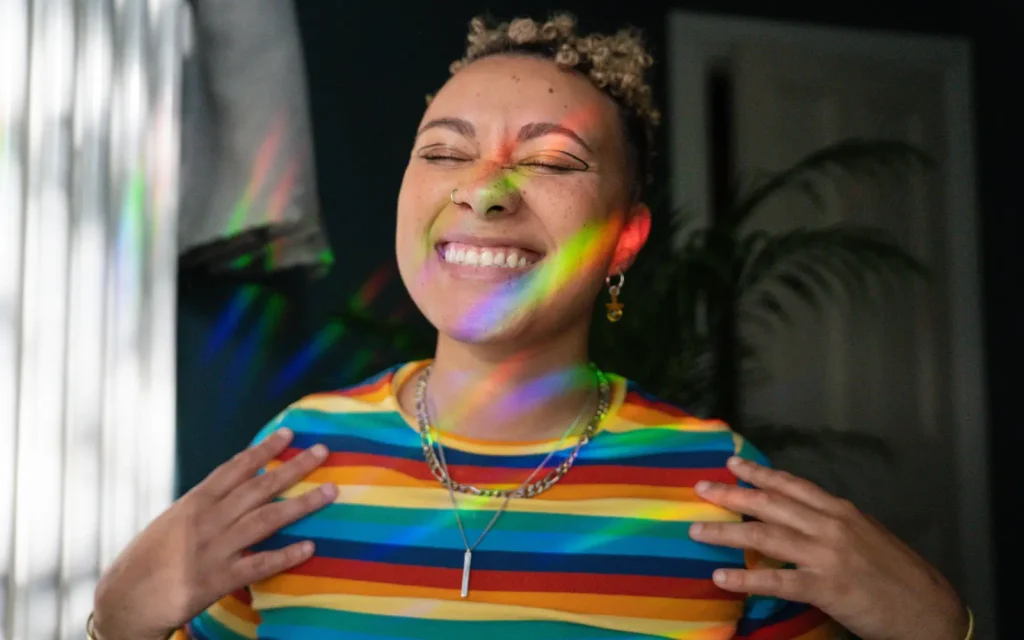

A smiling neurodivergent woman, representing the question "How can I tell that my partner's ADHD traits are affecting me?"
Couples Therapy, Neurodiversity

How can I tell that my partner’s ADHD traits are affecting me?

When your partner has ADHD, it can be hard to tell whether relationship struggles are about compatibility or something deeper. Many non-ADHD partners quietly over-function: carrying the mental load, managing responsibilities, and pushing their own needs aside. Over time, this can lead to resentment, loneliness, and emotional exhaustion. In this article, Grazel Garcia explores the subtle signs that ADHD traits may be affecting you, why awareness alone isn’t enough, and how supportive, collaborative communication can help rebalance the relationship. Understanding these patterns can be the first step toward clarity, relief, and meaningful support.

A couple embracing intimately, representing the question "How does ADHD affect intimacy?"
Couples Therapy, Neurodiversity

How does ADHD affect intimacy?

Intimacy can feel confusing in an ADHD-impacted relationship, especially when moments of closeness get tangled in misunderstandings, sensory needs, or a partner’s shifting attention. It’s easy to take these moments personally, even though they’re often rooted in neurological differences rather than a lack of love. This article explores how ADHD affects emotional and physical intimacy, why those patterns show up the way they do, and how couples can rebuild closeness with clarity and compassion. If you’ve been feeling stuck or disconnected, you’re not alone and there are supportive, workable ways forward.

A woman holding her head face down on the table, representing the question "What are ADHD spouse burnout symptoms?"
Couples Therapy, Neurodiversity

What are ADHD spouse burnout symptoms? 

ADHD spouse burnout can quietly reshape a relationship long before either partner has the words for what’s happening. Exhaustion, hyperfocus, resentment, and emotional shutdowns often leave couples feeling disconnected and confused. This article breaks down what burnout actually looks like, why it develops, and how it affects both partners in ways that are more complex than “not trying hard enough.” You’ll learn the early signs to watch for, the emotional toll it takes, and how therapy helps couples rebuild connection. If these patterns feel familiar, support is available – you don’t have to navigate this alone.

A couple facing away from each other in bed, representing the question: Why do people with ADHD struggle with relationships?
Couples Therapy, Neurodiversity

Why do people with ADHD struggle with relationships? 

ADHD can make relationships feel confusing, tender, and sometimes overwhelming: not because partners don’t care, but because their brains process time, emotions and communication differently. In this article, Grazel Garcia breaks down why these patterns appear, from time blindness and follow-through challenges to emotional paralysis, masking, and feeling chronically misunderstood. You’ll also learn how these dynamics impact both partners and why support designed for ADHD can make relationships feel steadier and more connected. If you’ve ever wondered why the same arguments keep appearing, this guide offers a clear path forward.

A happy neurodiverse couple, representing the question "How do people with ADHD treat their partners?"
Couples Therapy, Neurodiversity

How do people with ADHD treat their partners?

Being in a relationship where one partner has ADHD can feel confusing, emotional, and sometimes unintentionally painful, but it doesn’t have to stay that way. This article explores how ADHD traits show up in adult relationships, why they’re often misunderstood, and what partners can do to feel connected again. From inattentiveness and emotional intensity to creativity and hyperfocus, you’ll learn how both strengths and challenges shape the dynamic. With the right therapeutic support, couples can rebuild emotional intimacy, physical closeness, and a shared understanding of what’s really happening beneath the surface.

Scroll to Top