You word unavailable handwritten on a chalkboard with the prefix "Un" crossed out, representing emotional unavailability
Couples Therapy

Signs of Emotional Unavailability 

Emotional unavailability can be difficult to identify – especially when care, attraction, or commitment are present. Many people sense that something feels distant or one-sided in a relationship but struggle to name what’s missing. They may wonder whether they’re asking for too much, misreading signals, or expecting emotional closeness that isn’t realistic…

A couple embracing intimately, representing the question "How does ADHD affect intimacy?"
Couples Therapy, Neurodiversity

How does ADHD affect intimacy?

Intimacy can feel confusing in an ADHD-impacted relationship, especially when moments of closeness get tangled in misunderstandings, sensory needs, or a partner’s shifting attention. It’s easy to take these moments personally, even though they’re often rooted in neurological differences rather than a lack of love. This article explores how ADHD affects emotional and physical intimacy, why those patterns show up the way they do, and how couples can rebuild closeness with clarity and compassion. If you’ve been feeling stuck or disconnected, you’re not alone and there are supportive, workable ways forward.

A smiling black man carrying a white woman on his back through a secluded wood. The woman is kissing the man on the cheek and the man is smiling, representing how couples want their relationships to be after couples therapy
Couples Therapy

Healthy Relationship Characteristics 

If you’ve ever been in a relationship that looked “fine” on paper but felt tense in your body, you know this: You can be loved… and still feel unsafe. Maybe you find yourself rehearsing what you’re about to say before you say it. Maybe you soften your needs so they don’t sound like “too much.” Maybe you’re not even fighting – but you’re also not really resting. A healthy relationship isn’t perfect. It doesn’t mean you never get triggered, never misunderstand each other, never raise your voice, never need reassurance. A healthy relationship is a place where your humanity doesn’t cost you the connection.

An interracial couple having in-depth, emotionally vulnerable conversations in their kitchen after EFT therapy
Couples Therapy

Emotionally available 

There’s a particular kind of loneliness that happens inside a relationship. It’s not the obvious kind – there’s no dramatic betrayal, no screaming matches, no big “we need to talk” moment. It’s subtler than that. It’s when you’re sitting next to someone you love, telling them something real, and they’re technically listening… but you can feel the distance anyway. Like your words are landing on a surface instead of in a person…

A woman holding her head face down on the table, representing the question "What are ADHD spouse burnout symptoms?"
Couples Therapy, Neurodiversity

What are ADHD spouse burnout symptoms? 

ADHD spouse burnout can quietly reshape a relationship long before either partner has the words for what’s happening. Exhaustion, hyperfocus, resentment, and emotional shutdowns often leave couples feeling disconnected and confused. This article breaks down what burnout actually looks like, why it develops, and how it affects both partners in ways that are more complex than “not trying hard enough.” You’ll learn the early signs to watch for, the emotional toll it takes, and how therapy helps couples rebuild connection. If these patterns feel familiar, support is available – you don’t have to navigate this alone.

A couple facing away from each other in bed, representing the question: Why do people with ADHD struggle with relationships?
Couples Therapy, Neurodiversity

Why do people with ADHD struggle with relationships? 

ADHD can make relationships feel confusing, tender, and sometimes overwhelming: not because partners don’t care, but because their brains process time, emotions and communication differently. In this article, Grazel Garcia breaks down why these patterns appear, from time blindness and follow-through challenges to emotional paralysis, masking, and feeling chronically misunderstood. You’ll also learn how these dynamics impact both partners and why support designed for ADHD can make relationships feel steadier and more connected. If you’ve ever wondered why the same arguments keep appearing, this guide offers a clear path forward.

A happy neurodiverse couple, representing the question "How do people with ADHD treat their partners?"
Couples Therapy, Neurodiversity

How do people with ADHD treat their partners?

Being in a relationship where one partner has ADHD can feel confusing, emotional, and sometimes unintentionally painful, but it doesn’t have to stay that way. This article explores how ADHD traits show up in adult relationships, why they’re often misunderstood, and what partners can do to feel connected again. From inattentiveness and emotional intensity to creativity and hyperfocus, you’ll learn how both strengths and challenges shape the dynamic. With the right therapeutic support, couples can rebuild emotional intimacy, physical closeness, and a shared understanding of what’s really happening beneath the surface.

A man standing at a boundary line, representing the question "What is a boundary violation?"
Couples Therapy

What is a boundary violation?

Boundaries aren’t about control, they’re about safety, honesty, and connection. When one partner ignores a clear boundary, emotional trust begins to crack. In this article, therapist Grazel Garcia explains what boundary violations look like, why they happen, and how couples can repair the damage together. From accidental slips to chronic patterns, she offers insight into rebuilding safety without blame. Through Los Angeles couples therapy, partners learn to express needs clearly, respond with empathy, and turn conflict into closeness – because love grows strongest where both people feel safe to be themselves.

A couple having a romantic dinner at home, representing the question what percentage of couples survive couples therapy?
Couples Therapy

What Percentage of Couples Survive Couples Therapy?

Many couples start therapy wondering if they’ll actually make it through or if it marks the beginning of the end. The truth is, most do survive. Studies show that over 70 percent of couples report improvement, and nearly all gain deeper understanding of one another. Through couples therapy in Los Angeles, Grazel Garcia and her team help partners rebuild safety, learn vulnerability, and grow together using Emotionally Focused Therapy. Growth takes different forms, so whether it leads to reconnection or peaceful clarity, therapy can be the start of something stronger.

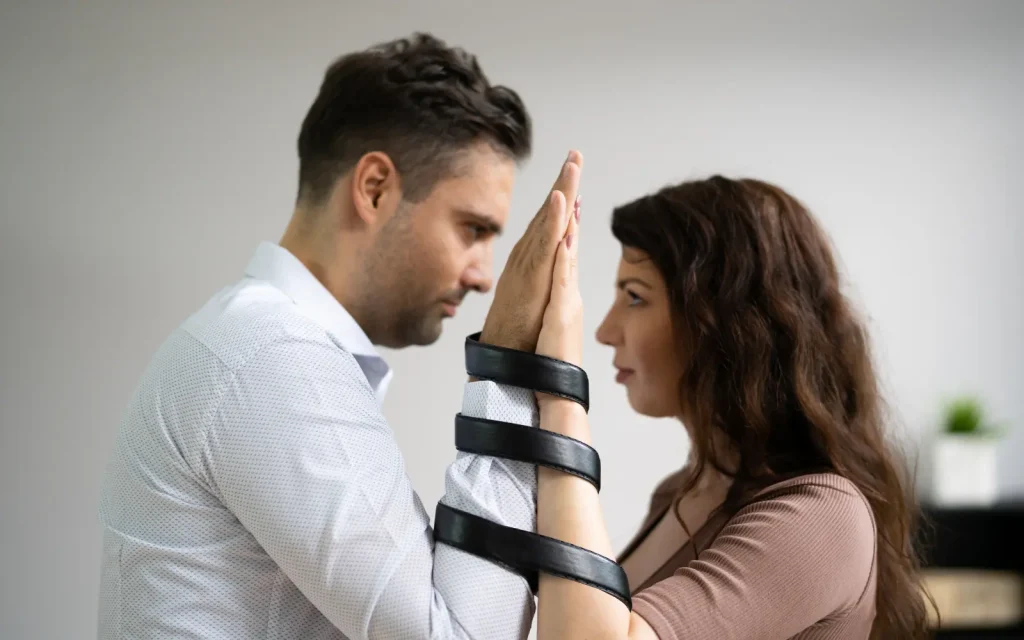
A man and woman with their hands and arms pressed together and tied together with a belt looking intently at each other, representing the question can a toxic relationship ever heal?
Couples Therapy

Can a toxic relationship ever heal? 

The word “toxic” gets thrown around a lot, but what does it really mean in relationships? Not every conflict signals danger as some disagreements are healthy. A relationship becomes toxic when power is misused, identity is diminished, or safety is compromised. In this article, Grazel Garcia shares how to tell the difference between normal conflict and damaging patterns, what therapy can do to help, and when leaving might be the safest choice.

Scroll to Top