

Can a toxic relationship ever heal?
You’ve probably heard the phrase “toxic relationship” tossed around in casual conversation. Someone argues with their partner and suddenly it’s “toxic.” A friend forgets to text back, and they’re branded as “toxic.” The word has taken on a life of its own, showing up everywhere from TikTok rants to breakup playlists (and that one Britney Spears song). But when you’re actually in a relationship that feels heavy, draining, or unsafe, it’s not so simple, or fun.
The truth is, not every conflict means a relationship is toxic. In fact, some disagreements are a sign of health. Two people with different needs, perspectives, and personalities will clash from time to time, and that’s normal. What makes the difference is whether both partners can hold onto their sense of self, their ability to make choices, and their emotional safety even when tensions rise.
So what happens when those things start to slip away? When one partner’s voice gets drowned out, or when someone begins to feel controlled, dismissed, or erased? That’s when “toxic” takes on a deeper meaning. One that can’t be dismissed with a meme.
This article asks the question so many couples wrestle with: can a truly toxic relationship ever really heal? Together, Grazel (Founder of GGPA) will unpack what “toxic” actually means, how to tell the difference between a tough season and a damaging pattern, what therapy can offer, and when walking away might be the only safe option.
Healing isn’t a one-size-fits-all process. But with the right support and tools, many couples find that change is possible even after years of painful patterns. And when healing isn’t possible, therapy can still help you find a path forward.
Watch the full interview here!
What “toxic” really means in relationships
The word toxic gets thrown around so often that it’s almost lost its meaning. These days, someone can call their partner toxic just for forgetting to do the dishes or defriend someone for their “toxic” personal beliefs or convictions. While those moments can be frustrating, they don’t capture the heart of what makes a relationship truly harmful.
Conflict, for instance, isn’t automatically toxic. Many healthy couples argue, and sometimes loudly. Disagreements show that both partners still have their own voices, preferences, and needs.
“It doesn’t mean that when you have a struggle, it’s unhealthy. Sometimes when you’re not having any struggle or conflict or arguments, that can also be unhealthy.“
So when does conflict cross the line? Toxicity shows up when there’s a consistent imbalance of power, where one partner’s agency is diminished or erased. That could mean controlling the finances, isolating the other person from friends and family, or using emotional manipulation to gain the upper hand. In these dynamics, one person holds privilege – whether financial, social, or emotional – and misuses it to control the other.
It’s also important to note that not every toxic relationship is abusive, but every abusive relationship is toxic. Abuse takes power imbalance further by using it as a weapon, stripping away identity and safety.

Understanding this subtle distinction matters because it helps couples see that toxic patterns aren’t about the number of arguments they’re having, but about the quality of those interactions. Is there room for both partners to be heard? Or is one person’s voice consistently shut down?
According to a survey published by the American Psychological Association, more than 30% of couples report significant conflict, but most still describe their relationships as satisfying. That shows conflict alone isn’t the problem, it’s how that conflict is handled.
If you’ve wondered whether your relationship struggles fall into the “toxic” category, talking with a couples therapist in Los Angeles can provide clarity and a safe space to explore what’s really going on.
Healthy conflict vs. toxic dynamics
Every couple fights. That might not sound romantic, but it’s reality: two people sharing a life will clash over money, housework, intimacy, family, or just who forgot to pick up the milk. These arguments don’t automatically signal doom. In fact, they can be signs of a living, breathing, vibrant relationship where both partners feel safe enough to voice their frustrations.

Healthy conflict is marked by mutual respect, even when tempers flare. You might raise your voice, but you still listen. You might disagree fiercely, but you don’t aim to destroy your partner’s sense of self. The purpose of the argument is to solve a problem or express a need, not to dominate.
Toxic dynamics, on the other hand, look very different. Instead of a temporary clash, there’s a pattern: one person consistently undermines the other. Maybe they dismiss feelings with sarcasm, twist the truth to gain control, or hold financial power in ways that strip away freedom. Over time, these dynamics don’t only cause fights; they erode trust, safety, and identity.
“If that power to take care of ourselves is taken away by another person, then they’re not using that power responsibly. They’re using their power to take over another person and take away that person’s identity.“
Recognizing this difference is crucial to the success of the couple. A relationship can survive regular disagreements – in fact, couples who never argue might be avoiding deeper issues altogether. But when conflict shifts into control, fear, or emotional harm, that’s when it tips into toxicity.
Research backs this up. A study published in the National Institutes of Health found that couples who reported frequent conflict were just as likely to describe their relationships as satisfying as those who rarely argued, provided those conflicts were managed with respect. In contrast, when conflicts involved manipulation or coercion, relationship satisfaction dropped dramatically.
For couples, the takeaway is simple but not easy: it’s not about whether you fight, but how. Do your arguments end with both voices heard, or with one partner silenced?
If your conflicts leave you feeling smaller instead of closer, it may be time to sit with a couples therapist in Los Angeles who can help you identify whether what you’re facing is healthy tension or harmful toxicity.
Assessing toxicity in therapy
When couples walk into therapy, they’re often tangled in years of arguments, misunderstandings, and repeated cycles. One of the first jobs in relationship therapy in Los Angeles is to figure out what those struggles actually mean. Are they the natural growing pains of two people learning to love each other well? Or are they signs of something deeper: a toxic, or even abusive, dynamic?
This process starts with careful listening and observation. A therapist doesn’t just take the couple’s word at face value; they ask specific questions about what fights look like. Are disagreements full of name-calling or contempt? Does one partner shut the other down or isolate them from outside support? Is there a clear imbalance of privilege – financial, gender, or otherwise – that gets wielded in ways that strip away the other person’s freedom?
“We assess: Is this a conflict? Is it a power struggle, or is it an abusive relationship?“
This matters, because not all couples need the same type of help. Some just need new skills for communication. Others may be facing patterns that require much deeper intervention or a plan for safety.
Therapists trained in modalities like Emotionally Focused Therapy (EFT) will also look at how partners interact in the room. The tone of voice, body language, and even the pauses between words can reveal whether conflict is rooted in misunderstanding or in something more corrosive.

The CDC’s National Intimate Partner and Sexual Violence Survey (NISVS) found that nearly half of women and men in the United States report experiencing psychological aggression by an intimate partner at some point in their lives. That means emotional harm is common but not always easy to recognize without professional input.
Assessment in therapy isn’t about labeling one partner “bad” and the other “good.” Instead, it’s about creating clarity in a murky situation. Once both partners understand the difference between ordinary conflict, unhealthy patterns, and outright abuse, they can make informed choices about whether to heal together or move apart.
If you’re unsure whether what you’re experiencing is normal conflict or something more damaging, meeting with a couples therapist in Los Angeles can give you the clarity and safety you need to decide on your next steps.
Can a toxic relationship heal?
This is the root question that individuals and couples often bring into the therapy room, sometimes with tears, sometimes with frustration, and often with a deep fear of the answer. The truth? It depends on what “toxic” means in your particular relationship.
If what feels toxic is really a cycle of unhealthy but non-abusive patterns – shutting down, chasing, defensiveness, or repeated misunderstandings – then there’s often hope. These patterns are painful, but they can be shifted. Individual therapy can help each partner uncover emotional blocks and personal triggers that keep them stuck. Couples therapy adds tools for communication, de-escalation, and rebuilding trust.
“They feel like it’s toxic to them, but it’s not really abusive. And if they don’t know how to get out of it, then individual counseling would really help figure out what’s happening for them. The therapist can provide some skills and process emotional blocks that can help them move towards a harmonious relationship.“
But when the relationship involves abuse – physical, emotional, or psychological – the answer becomes more complicated. Healing, in these cases, doesn’t always mean staying together. Sometimes the most healing thing is finding a safe way to leave, yet even that isn’t simple.
“Leaving doesn’t necessarily mean safe. When you’re in an abusive relationship, it can actually intensify the abuse once the victim leaves the relationship.“
Research supports this caution. According to the National Coalition Against Domestic Violence (NCADV), 75% of women who are murdered by an intimate partner are killed after attempting to leave. That chilling statistic underscores why therapists stress safety, planning and strong support systems before encouraging someone to walk away.
So, can toxic relationships heal? Some can. When toxicity stems from poor patterns, lack of skills, or emotional wounds, therapy can help both partners grow into healthier versions of themselves. But when toxicity stems from one partner deliberately exerting control and stripping away the other’s identity, healing as a couple may not be realistic, or safe.
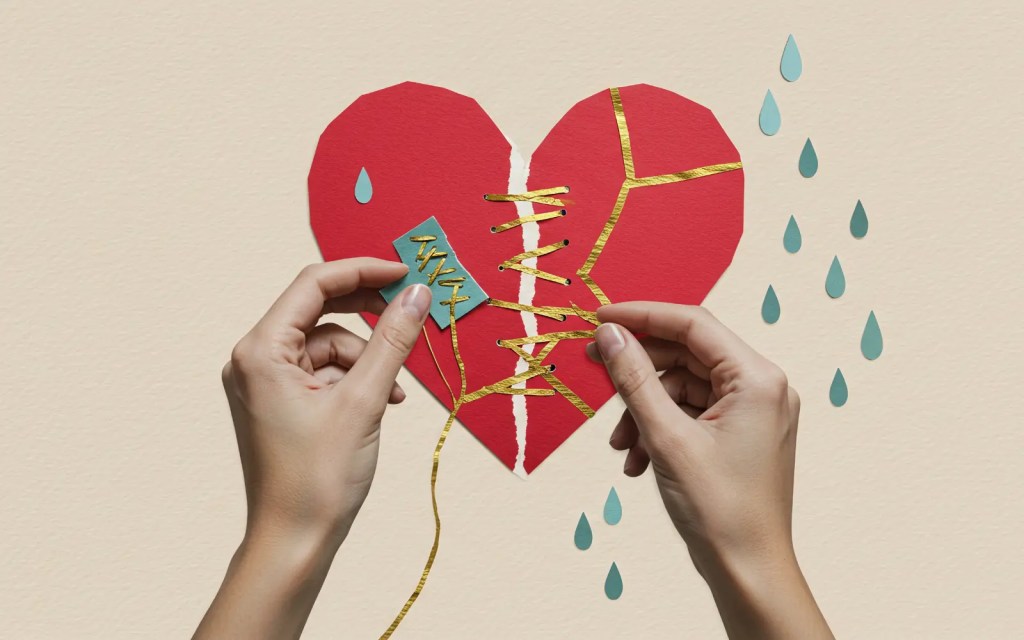
Even in those cases, therapy is often still worth it, and still matters. A couples therapist in Los Angeles can guide the process of discernment, helping individuals separate what’s unhealthy but workable from what’s harmful beyond repair. Sometimes the best outcome of therapy isn’t reconciliation, but safe and even amicable separation.
For couples who do choose to stay, healing takes time, patience, and commitment from both sides. It’s not a quick fix. But with professional support, many find themselves learning to argue differently, to listen more openly, and to rebuild trust they once thought was gone forever.
If you’re asking yourself whether your relationship can heal, it may be time to sit down with a couples therapist in Los Angeles who can help you explore your options in safety and with compassion.
The risks of leaving
It’s tempting to think the answer to a toxic relationship is simple: just walk away. And for some, leaving truly is the healthiest choice. But as many survivors know, it’s not always the safest or easiest step.
When a relationship has crossed into abuse, separation can actually increase the danger. Abusive partners often escalate their behaviour when they sense control slipping away. That can mean more intense emotional manipulation, financial sabotage, stalking, or even physical violence.
Safety planning often includes building a support network, setting aside emergency resources, and connecting with domestic violence hotlines or shelters. It’s not just about leaving the house, it’s about creating a path to genuine safety.
For those in relationships that feel toxic but aren’t abusive, leaving can still carry risks. Codependency, financial ties, or fear of being alone can make it incredibly difficult to step away, even when both partners know the relationship isn’t working.

Therapy helps here, too. A couples therapist or discernment counselor can guide conversations about whether staying or leaving feels healthiest, while individual therapy can support someone through the fear and grief that come with either decision.
If you’re considering leaving but aren’t sure how to do it safely, reaching out for support, whether from a therapist or a local resource, can give you the tools and community you need to take the next step.
Tools used in therapy to manage toxicity
When couples bring long-standing tension into the therapy room, it often doesn’t take long before old patterns reappear. Voices rise, defenses go up, and the cycle starts all over again. While this can feel overwhelming, it also gives the therapist an opportunity to step in and guide the couple toward healthier ways of relating.
One of the main approaches used at Grazel Garcia Psychotherapy & Associates is Emotionally Focused Therapy (EFT). EFT focuses on the emotional undercurrents driving conflict rather than just the surface-level arguments. By tuning into the attachment needs and fears beneath the fight, therapists can help couples connect more deeply and safely.
“Our job is to make sure that the nervous system of each partner is not completely lost, so we need to go in and work with the escalation techniques.“

This might involve pausing the conversation, redirecting each partner’s focus, or even asking both partners to stop speaking to one another and look at the therapist instead. These interventions reestablish calm and prevent the argument from spiraling further.
In practice, that means a therapist might say something like: “This feels heated. Let’s take a breath. I want each of you to tell me what you’re experiencing right now.” By slowing the moment down, couples begin to notice not only their partner’s emotions but also their own.
Therapists also role model these techniques so couples can learn to use them outside of sessions. By pointing out when a couple successfully de-escalates in the room, therapists reinforce the idea that these skills are already within reach. Over time, partners begin to build confidence in their ability to calm the storm themselves.
If your arguments often spiral out of control, working with a couples therapist in Los Angeles can give you tools to de-escalate conflict and begin building safer, more connected patterns.
Building lasting skills and hope
Therapy isn’t just about surviving the storm in the room, it’s about teaching couples how to calm the storm themselves. When patterns of toxicity have built up over months or years, it takes practice and commitment to shift them. But with support, couples can learn not only to de-escalate fights but to prevent them from spiraling in the first place.
We mentioned a big part of this process a moment ago: role modelling. During sessions, the therapist often steps in at the peak of an argument, showing couples what it looks like to pause, breathe, and re-engage safely. Over time, those interventions become lessons couples can take home.
“I would install hope that you have the strength to de-escalate, and I’d like for you to continue to do that outside of therapy.“
This repetition builds a kind of emotional muscle memory. Each time a couple manages to stop a fight from spinning out, they reinforce the belief that change is possible. They begin to trust themselves, and each other, again.
The research supports this hopeful outlook. The American Psychological Association reports that couples who stick with therapy see significant improvements not only in communication but also in emotional closeness, with benefits lasting years after therapy ends. It’s a reminder that while toxic patterns feel overwhelming, they aren’t always permanent.
Of course, healing takes effort from both partners. There’s no quick fix, and no therapist can do the work for you. But with commitment, patience, and a willingness to look inward, many couples discover a path back to connection they once thought was lost.
If you and your partner are ready to start building healthier patterns, reaching out to a couples therapist in Los Angeles could be the first step toward lasting change.
Final Thoughts
So, can a toxic relationship ever heal? The answer isn’t simple, and it isn’t the same for everyone. Some relationships that feel toxic are really caught in unhealthy but changeable patterns: cycles that can be interrupted with new skills, patience, and the willingness to look inward. In these cases, therapy provides tools for communication, safety, and emotional reconnection.
But when toxicity is rooted in abuse, the story changes. Healing as a couple may not be possible or safe. Here, the focus shifts to protecting the partner whose agency and safety have been compromised. Sometimes the most healing choice is leaving carefully, with support and planning.
What’s certain is that no one has to navigate these questions alone. Therapy doesn’t offer quick fixes, but it does offer clarity, guidance, and hope. Whether that means rebuilding a relationship or finding the strength to step away, the process is about reclaiming safety and identity.
A toxic relationship doesn’t define who you are, nor does it dictate your future. With the right support, you can move toward relationships that are healthier, safer, and more fulfilling with your current partner or on your own.
Top 7 takeaways:
- Not all conflict is toxic.
Arguments can actually be a sign of a healthy relationship, as long as both partners maintain their sense of agency and safety. - Toxicity is about power imbalance.
A relationship turns toxic when one partner consistently controls, silences, or undermines the other, stripping away identity and freedom. - Abuse and toxicity overlap, but they’re not identical.
While not every toxic relationship is abusive, every abusive relationship is toxic because it weaponises power. - Therapy helps distinguish conflict from abuse.
A couples therapist in Los Angeles carefully assesses whether struggles are normal conflict, unhealthy patterns, or outright abuse. - Some toxic relationships can heal, others cannot.
If toxicity stems from poor patterns or emotional blocks, therapy can help. But when abuse is present, healing as a couple may not be safe or realistic. - Leaving isn’t always the safe option.
Abuse often escalates when a victim tries to leave, making safety planning and support systems essential. - Hope comes from building lasting skills
Through Emotionally Focused Therapy (EFT) and role modelling, couples can learn to de-escalate conflicts, strengthen emotional bonds, and create healthier patterns that last.
Grazel Garcia Psychotherapy & Associates is one of the leading individual and couples therapy practices in the wider Los Angeles area. Specializing in treating root causes through the lens of EFT, GGPA clients can expect a warm, culturally-attuned approach to therapy. Call 323-487-9003 and schedule your free consultation today!