
A man and woman with their hands and arms pressed together and tied together with a belt looking intently at each other, representing the question can a toxic relationship ever heal?
Couples Therapy

Can a toxic relationship ever heal? 

The word “toxic” gets thrown around a lot, but what does it really mean in relationships? Not every conflict signals danger as some disagreements are healthy. A relationship becomes toxic when power is misused, identity is diminished, or safety is compromised. In this article, Grazel Garcia shares how to tell the difference between normal conflict and damaging patterns, what therapy can do to help, and when leaving might be the safest choice.


Two women sitting next to each other and facing away from each other, representing the conflict that can arise due to dual relationships in therapy
Therapy

Why are dual relationships discouraged in therapy?

What makes therapy different from friendship? Boundaries. A dual relationship happens when personal and professional roles overlap and while it may seem harmless, it can blur the safety that therapy is built on. In this article, Los Angeles therapist Grazel Garcia explains why these boundaries matter, how gray areas are handled, and what clients should know if therapy ever starts to feel “too friendly.” Whether you’re seeking individual or couples therapy in Los Angeles, this piece gives reassurance and confidence about why professional lines protect your healing.

A man asking his partner to start couples therapy, but the woman is looking away and holding her hand up signalling that she doesn't want to do couples therapy
Couples Therapy

Why would someone not want to do couples therapy? 

Couples therapy can feel like a leap, especially when one or both partners are hesitant to go. In this article, Los Angeles couples therapist Grazel Garcia explores the real reasons people resist therapy: from emotional fear and relationship ambivalence to cultural stigma and past trauma. With her expert clinical insight and advice, we’ll gently unpack common myths and offer practical pathways forward.

A black woman therapist staring at the camera intently, representing a therapist paying close attention to their client
Therapy

What Do Therapists Notice About Their Clients? 

Ever wondered what your therapist is really noticing during session? It’s not just your words, it’s your body language, tone, eye movements, and even your silence. In this article, Grazel Garcia of GGPA reveals some of the subtle cues therapists tune into. We discuss everything from Brainspotting to the quiet power of slowing down, and you’ll discover how therapy helps you understand yourself more deeply. No matter if you’re new to counseling or already in it, this article offers a peek behind the curtain, comfort, and a gentle reminder: you don’t have to have it all together to start healing.

An autistic woman staring blankly at a talking work colleague, representing the social difficulties neurodivergent individuals experience
Therapy

Can therapy help me with relationships and social dynamics?

Struggling to feel seen in your relationships? For many neurodivergent people, connection often comes with confusion, misinterpretation, and emotional fatigue. In this article, therapist Grazel Garcia shares how individual therapy in Los Angeles can support neurodivergent clients in creating authentic, sustainable relationships without having to mask or change who they are. From adapting couples therapy for different brain types to de-escalating misunderstandings rooted in ADHD, this article offers real help for those that may feel lost in their relationships. Learn how therapy becomes a space for repair, clarity, and unmasking so you can connect in ways that feel right for you.

A man scratching his head in confusion, representing the question "Will my therapist understand my adult ADHD?"
Therapy

Will my therapist understand my adult ADHD? 

When one or both partners are neurodivergent, love can be deeply felt but easily misread. From mismatched communication styles to years of masked struggles, couples often find that traditional therapy doesn’t speak their language. In this article, therapist Grazel Garcia explores what makes neurodivergent-affirming therapy different, why misdiagnosis is so common, and how the right support can transform not just your relationship but your sense of self. With love, cultural insight, and lived experience, this piece invites couples to reimagine what connection looks like when all brains are welcome.

A woman with narcissism pretending to wear a royal crown, representing a narcissist considering going to couples therapy
Couples Therapy

Do Narcissists Go to Couples Therapy? 

Can couples therapy work when narcissism is in the room? In this article, Los Angeles therapist Grazel Garcia explores how pathological narcissism impacts the therapy process and why safety must come first. Learn the difference between adaptive and harmful narcissism, why therapy can sometimes backfire, and what to do if you’re the one feeling confused or unsafe in your relationship. With clinical and evidence-based insights, this piece offers guidance for anyone wondering whether therapy can help, or hurt, when emotional imbalance, power struggles, or self-doubt are part of the dynamic.

A woman taking a written assessment during her neuropsychological testing appointment
Neuropsychological Testing & Assessments

What Is Neuropsychological Testing? 

Neuropsychological testing can sound intimidating, but it doesn’t have to be. In this candid, conversational guide, clinical psychologist Dr. Tyler Howard of Grazel Garcia Psychotherapy & Associates walks us through what testing actually involves, who it’s for, and why it’s more about understanding your brain than labeling it. Whether you’re seeking answers for yourself or a loved one, this article breaks down the process with warmth, clarity, and just the right amount of curiosity. From testing day logistics to how results are interpreted, we’ll help you decide if now might be the right time to take that next step.

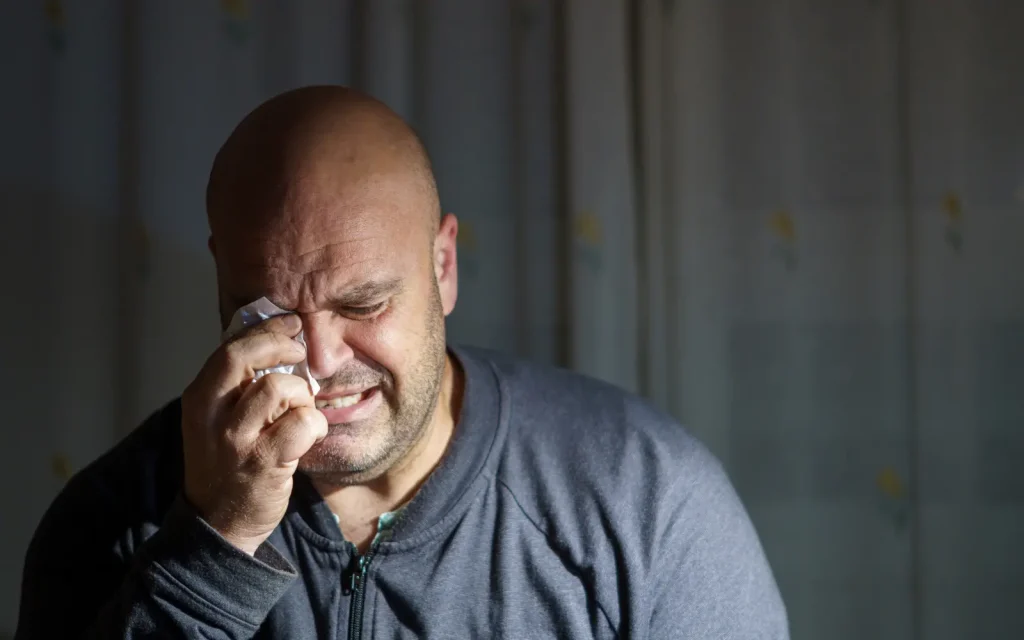
A man crying after a therapy session and wondering to himself "Why do I cry so much after therapy?"
Therapy

Why do I cry so much after therapy?

Leaving therapy in tears can feel unexpected, and even unsettling. But in most cases, it’s a natural sign that emotional work is happening. In this article and interview, Grazel Garcia shares why therapy often brings tears, the difference between emotional release and deeper healing, and how to care for yourself afterward. That can be creating buffer time after sessions or finding the right self-care tools, to help you support your nervous system while honoring your feelings.

A lesbian couple shouting and arguing, representing feeling attacked in couples therapy
Couples Therapy

How to stop feeling attacked in couples therapy?

Feeling attacked in couples therapy is more common than you think, but it’s not the whole story. At GGPA, we help couples move from blame and defensiveness to curiosity and connection. Through self-awareness, understanding the pursuer–withdrawer dynamic, and learning to “park” your defenses, partners create space for honest, non-judgmental conversation. Attachment theory shows us why emotional safety is key, while “I” statements help reduce conflict and build trust. Couples therapy isn’t about deciding who’s wrong; it’s about creating a foundation where you can hear, and be heard by, each other. The result? Stronger connection, deeper understanding, and real change.

Scroll to Top