
A man offering support to a woman, representing the question "What type of support do I need to maintain a healthy relational balance with my ADHD partner?"
Couples Therapy, Neurodiversity

What type of support do I need to maintain a healthy relational balance with my ADHD partner? 

Loving someone with ADHD can be deeply fulfilling and quietly exhausting. If you’re the non-ADHD partner, you may find yourself overfunctioning, burnt out, or feeling alone in the relationship. This article explores how to co-create balance without blame, from building systems that work for both brains to using language that fosters connection instead of shame. With expert insights from Grazel Garcia, a therapist specializing in ADHD couples therapy, you’ll find practical strategies, soft encouragement, and a reminder: your support matters, too. Because healthy relationships aren’t about perfection, they’re about sustainable, mutual care.

A man with his head in his hand, representing the hurting partner in a narcissistic relationship
Couples Therapy

Why Emotional Availability Feels Hard 

For many people, emotional availability feels like something they should be able to do – especially in close relationships. When it doesn’t come easily, it’s common to assume something is wrong: Why can’t I open up? Why do I shut down? Why does closeness feel overwhelming instead of comforting?

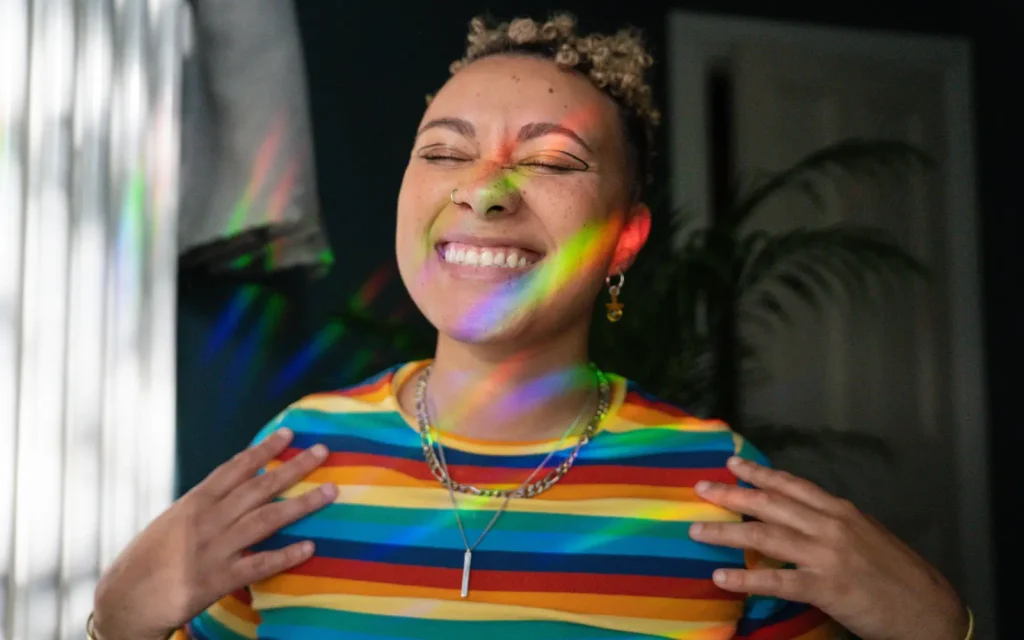
A smiling neurodivergent woman, representing the question "How can I tell that my partner's ADHD traits are affecting me?"
Couples Therapy, Neurodiversity

How can I tell that my partner’s ADHD traits are affecting me?

When your partner has ADHD, it can be hard to tell whether relationship struggles are about compatibility or something deeper. Many non-ADHD partners quietly over-function: carrying the mental load, managing responsibilities, and pushing their own needs aside. Over time, this can lead to resentment, loneliness, and emotional exhaustion. In this article, Grazel Garcia explores the subtle signs that ADHD traits may be affecting you, why awareness alone isn’t enough, and how supportive, collaborative communication can help rebalance the relationship. Understanding these patterns can be the first step toward clarity, relief, and meaningful support.

You word unavailable handwritten on a chalkboard with the prefix "Un" crossed out, representing emotional unavailability
Couples Therapy

Signs of Emotional Unavailability 

Emotional unavailability can be difficult to identify – especially when care, attraction, or commitment are present. Many people sense that something feels distant or one-sided in a relationship but struggle to name what’s missing. They may wonder whether they’re asking for too much, misreading signals, or expecting emotional closeness that isn’t realistic…

A couple embracing intimately, representing the question "How does ADHD affect intimacy?"
Couples Therapy, Neurodiversity

How does ADHD affect intimacy?

Intimacy can feel confusing in an ADHD-impacted relationship, especially when moments of closeness get tangled in misunderstandings, sensory needs, or a partner’s shifting attention. It’s easy to take these moments personally, even though they’re often rooted in neurological differences rather than a lack of love. This article explores how ADHD affects emotional and physical intimacy, why those patterns show up the way they do, and how couples can rebuild closeness with clarity and compassion. If you’ve been feeling stuck or disconnected, you’re not alone and there are supportive, workable ways forward.

A smiling black man carrying a white woman on his back through a secluded wood. The woman is kissing the man on the cheek and the man is smiling, representing how couples want their relationships to be after couples therapy
Couples Therapy

Healthy Relationship Characteristics 

If you’ve ever been in a relationship that looked “fine” on paper but felt tense in your body, you know this: You can be loved… and still feel unsafe. Maybe you find yourself rehearsing what you’re about to say before you say it. Maybe you soften your needs so they don’t sound like “too much.” Maybe you’re not even fighting – but you’re also not really resting. A healthy relationship isn’t perfect. It doesn’t mean you never get triggered, never misunderstand each other, never raise your voice, never need reassurance. A healthy relationship is a place where your humanity doesn’t cost you the connection.

An interracial couple having in-depth, emotionally vulnerable conversations in their kitchen after EFT therapy
Couples Therapy

Emotionally available 

There’s a particular kind of loneliness that happens inside a relationship. It’s not the obvious kind – there’s no dramatic betrayal, no screaming matches, no big “we need to talk” moment. It’s subtler than that. It’s when you’re sitting next to someone you love, telling them something real, and they’re technically listening… but you can feel the distance anyway. Like your words are landing on a surface instead of in a person…

Two glasses of champagne surrounded by confetti representing the article's topic of how to improve your mental health in the new year
Therapy

How to improve your mental health in the new year

The new year often arrives with quiet pressure to fix, improve, and reinvent yourself. But mental health doesn’t grow through urgency or perfection. In this article, therapist Grazel Garcia explores gentler, more sustainable ways to improve your mental health in the new year, starting with reflection instead of resolution. From understanding the mind–body connection to measuring emotional growth, managing anxiety, and setting meaningful goals individually and as a couple, this guide offers grounded, compassionate insights rooted in real therapeutic practice. Progress, as it turns out, doesn’t come from doing more… it comes from listening more closely.

Scroll to Top