
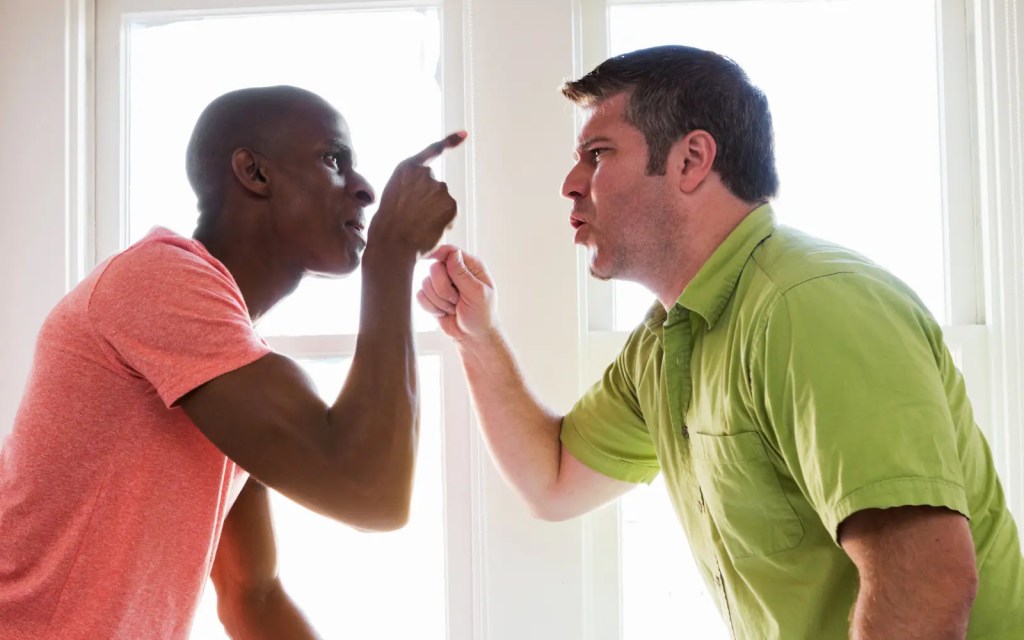
Two men pointing fingers at each other, representing blame and arguments in ADHD relationships
Couples Therapy

How to Handle Conflict in a Relationship Without Making It Worse 

Conflict can feel risky in close relationships, especially when you’re afraid one wrong word will make things worse. You might try to stay calm, explain yourself clearly, or avoid the conversation altogether, only to find that tension still escalates. This article explores why conflict feels so intense in relationships and what actually helps prevent arguments from spiraling. Rather than focusing on “winning” or resolving everything immediately, it explains how emotional safety, nervous system regulation, and pacing can change the entire tone of a disagreement. You’ll learn how to stay present during conflict without escalating it or shutting down.


A couple embracing outdoors, representing emotional repair that's possible through ADHD couples therapy
Couples Therapy

How to Repair a Relationship After a Fight (Without Making It Worse) 

After a fight, the hardest part is often what comes next. You may want to reconnect, but feel unsure how to reach for your partner without reopening the argument or making things worse. Silence can feel safer, yet distance lingers. This article explores what relationship repair actually means after conflict and why it often feels so vulnerable. Instead of focusing on who was right or how to resolve everything, it centers emotional safety, accountability, and reconnection. You’ll learn what helps couples repair after a rupture, what commonly gets in the way, and how repair can rebuild trust even when disagreements remain.

A couple sitting on a couch during a couples therapy session.
Couples Therapy

Rebuilding Trust After Betrayal: What It Takes and What to Expect 

After betrayal, wanting to trust again doesn’t mean you’re able to. Even when there’s remorse, transparency, or promises to change, safety often still feels out of reach. Doubt lingers, not because you’re unwilling to move forward, but because something essential was broken. This article explores what rebuilding trust after betrayal actually involves, and why it’s often slower and more complicated than people expect. Rather than focusing on forgiveness or reassurance, it looks at how trust is rebuilt through consistency, accountability, and lived experience over time. You’ll learn what genuinely supports trust repair, what undermines it, and what’s realistic to expect along the way.

A black man and white woman arguing on a sofa, representing the kinds of situations many interracial couples find themselves in before seeking therapy
Couples Therapy

Why Couples Repeat the Same Fight (And What’s Really Going On) 

If you and your partner keep having the same argument, it can start to feel hopeless. The topic may change, but the ending never does: one of you feels unheard, the other feels overwhelmed, and nothing truly resolves. This article explains why couples get stuck in these repeating fights and why the issue is rarely the surface problem itself. Instead, it explores the emotional patterns, attachment triggers, and nervous system responses that keep the cycle going. You’ll learn what these conflicts are really signaling, why talking more often makes things worse, and how recognizing the pattern can be the first step toward change.

A man staring at a mug of coffee with another mug beside him, representing being lonely in a relationship
Couples Therapy

Betrayal Trauma in a Relationship

Betrayal trauma can feel especially destabilizing when you’re still in the relationship where the harm occurred. You may feel deep hurt and anger alongside love, attachment, or a desire for closeness, sometimes all at once. This emotional contradiction can be exhausting and isolating, leaving you unsure what your reactions mean or what you’re “supposed” to do next. This article explores what betrayal trauma feels like inside an ongoing relationship, why the push-pull between closeness and distance is so intense, and how healing can begin without forcing immediate decisions about staying or leaving.

A couple sitting back to back, representing the impact of fighting in couples therapy
Couples Therapy

Relationship Conflict: Why It Happens, What It Means, and How Couples Heal 

Relationship conflict is a normal but often misunderstood part of intimate partnerships. While many couples fear that conflict signals incompatibility or relational failure, psychology suggests the opposite: conflict is a form of communication shaped by attachment, emotional needs, and nervous system responses. Disagreements often feel intense because they activate fears about safety, connection, and belonging. When conflict becomes repetitive or overwhelming, it usually points to unmet needs or unresolved emotional patterns rather than surface issues alone. Understanding why conflict happens, how it affects emotional safety, and what supports repair can help couples reduce shame and move toward healthier, more resilient connection.

Three women on a bench, two embracing and the third covertly holding hands with one of the other two, representing infidelity in relationships
Couples Therapy

Betrayal Trauma: What It Is, Why It Hurts, and How Healing Begins 

Betrayal trauma occurs when someone you deeply trust, like a partner, family member, or caregiver, violates that trust, shattering emotional safety and attachment bonds. This kind of trauma doesn’t feel like ordinary heartbreak; it can trigger intense emotional, cognitive, and nervous-system responses because it disrupts core assumptions about safety, identity, and relationships. Common causes include infidelity, chronic deception, emotional abandonment, and major boundary violations. Reactions often include shock, grief, anger, rumination, and hypervigilance. Healing isn’t quick or linear, but with understanding, emotional safety, and support, people can begin to process the injury and gradually rebuild trust and stability.

A couple on a therapist's couch having a polite, respectful discussion, representing the importance of healthy communication in couples counseling
Couples Therapy

Healthy Relationships Explained: Emotional Safety, Conflict, and Trust

What actually makes a relationship healthy? Contrary to popular advice, it’s not the absence of conflict, emotional struggle, or hard seasons. From a clinical, trauma-informed perspective, healthy relationships are defined by emotional safety, repair, accountability, and the ability to navigate power, vulnerability, and trust over time. Drawing on real therapeutic insight, this guide explores healthy relationship characteristics, emotional availability, conflict cycles, betrayal trauma, and power imbalances, offering help for anyone trying to understand what’s happening beneath the surface of their relationship.

Couples Therapy

Emotional Availability vs. Vulnerability: What’s the Difference? 

Emotional availability and vulnerability are often used so interchangeably in conversations about relationships it’s hard to know the difference. Someone may be described as “so vulnerable” or praised for opening up emotionally, with the assumption that this automatically means they’re emotionally available. But then when closeness still feels inconsistent or one-sided, confusion and self-doubt often follow…

Scroll to Top